
Introduction
Stress is a natural part of everyday life; however, academic settings have begun to normalize excessive, unhealthy stress and consider it critical for success (Deng et al., 2022). Student stress is shaped by influences from family, school, and broader expectations, with parental influence among the most direct influencing factors. Wu et al. (2022) found high parental education anxiety, defined as parental worries about uncertainty of their children’s educational outcomes, increases likelihood and severity of academic burnout in middle schoolers; however, these findings were observed in China, where academic culture and family structure differ from America, limiting generalizability to Western settings. Students in advanced programs face higher pressures, reporting significantly higher stress levels than peers in non-advanced classes (Suldo & Shaunessy-Dedrick, 2013). College admissions culture worsens stress, as many students fixate on selective institutions, creating unrealistic expectations and unnecessary stress (Hernholm, 2025). Hernholm (2025) does not examine how parental expectations shape these fixations or how differing competitive environments affect students, pointing to a need for research treating parental expectations as a distinct influential variable.
Literature Review
One of the best methods to reduce academic stress is academic help seeking (AHS), as it directly improves academic performance and stress levels. Arbós (2021) defines AHS as a self-regulated learning (SRL) approach that academically successful students use to achieve success (Zimmerman, 1989) through tutoring, online resources, teachers and/or peers to benefit academic performance; however, AHS likelihood decreases when students fear appearing incompetent (Arbós et al., 2021). Arbós (2021) explains AHS is a SRL strategy, but does not explain how parental expectations impact likelihood to AHS, a central gap in this study.
The cognitive burden of chronic stress impacts students’ mental health, undermining academic engagement. Higher stress levels lead to less sleep, especially for AP students, which increases depression, suicidal thoughts, and substance abuse (Suldo & Shaunessy-Dedrick, 2013). Sleep disruption compounds cognitive damage stress already causes, including impairment of working memory, a key function for updating information critical to academic learning (Almarzouki, 2024). Each individual has a different window of stress tolerance, the state in which one’s attitude is energized and attentive instead of overwhelmed or inefficient (Wiens, 2024); when surpassed, self- destructive behaviors such as overcommitment, inaccurate self-assessments, and delayed decision making, interfere with academic success and cause cognitive health decline (Seifi et al., 2025). This concept is well established in adult populations, but remains understudied in high schoolers. This pattern is directly correlated with burnout, which further lowers productivity and motivation (Deng et al., 2022; Seifi et al., 2025) and is particularly harmful for high schoolers’ academic performance, as recovery requires metacognitive awareness and regulational skills still developing in adolescents’ brains. This cognitive impairment matters because AHS is a metacognitively demanding strategy, meaning students who are most stressed are least equipped to deploy it.
Parental expectations are a set of beliefs and actions guiding how parents interact with their children and strongly predict whether a child will have academic success in mathematics; further, they heavily influence students’ personal expectations, academic goals, values, and performance (Fiskerstrand et al., 2024; Katsantonis, 2025). Both studies, however, were conducted in broad demographic contexts and did not account for students in high-performing areas where parents themselves achieved significant academic and professional success, a population where parental expectations may operate differently, potentially carrying greater weight.
The expectancy-value theory (EVT) explains students’ academic motivation is shaped by their expectancy of task success and the perceived task value (Eccles et al., 1983). EVT explains that parents determine what tasks are of high value, shaping what students feel obligated to pursue. Despite the positive outcomes from high parental expectations, academic stress mainly stems from parental and personal expectations (Horowitz & Graf, 2019). In high pressure environments, the perceived cost of AHS, what some students consider failure, outweighs the benefit, which EVT explains lessens overall task value and motivation over time.
This dynamic suggests parental expectations do not operate on a beneficial-to-harmful spectrum, but rather interact with factors like personal expectations, stress tolerance, and coping behavior, producing highly variable outcomes. When parental expectations erode students’ autonomy and competence, the effect is consequential: self-determination theory (SDT) states human motivation is driven by autonomy, competence, relatedness, and when these are met, students engage academically because it is personally meaningful (Deci & Ryan, 1985). High parental expectations disrupt students’ autonomy and competence by pushing students to perform for external approval rather than an intrinsic reward. Externally motivated students avoid behaviors that could appear as incompetence, including AHS.
The achievement motivation and goal theory (Atkinson, 1957; McClelland, 1961) explains individuals’ differences in drive to pursue success versus avoid failure, as well as one’s value of mastery or performance; neither study examined parental expectations as a variable shaping students’ motivations. This theory suggests AHS behavior may be suppressed when parental expectations are high, as students can be pushed to heavily value performance rather than mastery, and for performance oriented students, AHS might seem to signal incompetence, which may register as failure to both student and parent. Compounding the EVT mechanism of the perceived cost of AHS may outweigh its benefits in high pressure environments, achievement motivation theory explains what that cost may be, a threat to performance that high parental expectations could make students especially unwilling to risk.
While many researchers have studied stress, expectations, and AHS independent of each other, none have studied the direct relationship between parental expectations and AHS behavior, with chronic stress identified as a mechanism that further suppresses students’ capacity to seek help. EVT identifies the perceived cost of AHS as outweighing its benefit in high-pressure environments, SDT explains that externally motivated students suppress self-directed behaviors including AHS, and achievement motivation theory names what that cost specifically is: a threat to performance identity; yet no study has examined whether these converging mechanisms jointly predict AHS likelihood when parental expectations are high. This gap motivates the present study: In what ways do parental expectations regarding academic performance among Purisima Academy students influence likelihood to seek academic support? High parental expectations are hypothesized to increase students’ stress and need to academically succeed, leading to a lower likelihood of students seeking AHS.
Methodology
The purpose of this small -scale comparative case study, was to explore the associations between parental expectations and students’ likelihood to seek academic support. As a student at the study site, a founder of a math mentoring program for younger girls, and someone who has navigated high-expectation academic environments personally, the researcher acknowledges these experiences may shape interpretation of findings. Participants were six students at Purisima Academy enrolled in a math course, either non-advanced or honors/AP. No specific math course was targeted in advertising the study and six participants were chosen because they were the only six who responded. Purisima Academy is a suburban school, with many students in middle class or wealthy families. Further, many students’ parents have obtained post -secondary education. Purisima academy was chosen for convenience sampling. Given the small, self-selected convenience sample from a single school, the study was designed to identify exploratory patterns rather than produce findings generalizable to broader student populations.
To compare the impacts of parental expectation levels, participants were sorted into high or low parental expectations based on their survey and interview responses; math class level was used only during recruitment as an indicator to help obtain participants with differing levels of parental expectations. Classification reflected convergence across survey indicators and interview descriptions of perceived parental academic standards rather than mathematics course placement alone. This approach helped ensure that initial recruitment assumptions did not determine participants’ final group assignments.
Recruitment was conducted via flyers, placed in math classrooms, with a QR code to an interest form; teachers promoted the flyer. All participants were students who filled out the interest form and responded to the following information emails, participants were not gathered selectively. Assent was obtained from all participants, with parental consent secured for minors via Google Forms detailing the study purpose, commitment, risk, and reward. This study gained IRB approval for using human participants and an external advisor reviewed data collection procedures and maintained oversight of communication and data collection and processing throughout. A pre-interview survey with multiple choice, likert scale, and true or false questions collected data on academic background, math performance, and stress level, followed by a semi-structured interview to gain insight on each participant’s AHS behavior and parental expectation levels. The semi-structured format allowed for follow-up questions while maintaining consistency across participants. Survey measures were used descriptively to contextualize interview responses rather than to support population-level statistical inference.
Interviews were analyzed with deductive thematic analysis (Braun & Clarke, 2006), guided by five a priori codes gathered from existing research: parental support (perceived parental encouragement and academic assistance), parental expectations (perceived academic standards students must maintain), personal expectations (self-imposed academic standards, often shaped by parental expectations), academic help seeking behavior (use of tutoring, peer mentoring, teacher support, or similar resources), and stress (academic, extracurricular, and familial pressures).
Transcripts were systematically reviewed; participant responses that aligned with codes, explicitly or through clear inferential reference, were assigned the corresponding code. Coded segments were organized into a thematic matrix, each entry attributed to the participants pseudonym. Cross-case analysis was conducted to identify patterns and contradictions across participants within each theme. This study used data triangulation through combined survey and interview data, negative case analysis through the investigation and reporting of contradictions across participants, and researcher reflexivity through disclosed positionality. Trustworthiness was further enhanced through an external review of data collection methods by an advisor. All coding was conducted by a single researcher; future research should employ intercoder reliability checks to strengthen analytical rigor.
To analyze pre-interview surveys, questions were grouped by the variable they measured: parental expectations, AHS behavior, or background information. Descriptive statistics was used to analyze participants’ responses. Accordingly, identified associations are interpreted as patterns within these cases rather than evidence of causal relationships. Pseudonyms were used when referencing participants and the high school they attend to protect participants’ identity.
Results
After analyzing the surveys and interviews, the high parental expectations group included Mason, Nora, and Trinity; the low parental expectations group included Liam, Ursula, Ethan.
Parental Expectations and Support Alignment
Participants’ likelihood of AHS depended less on parental expectation levels alone, instead hinging on alignment between parental expectations and support; when misaligned, students are left feeling AHS was implicitly prohibited. Mason explained his parents support him by encouraging him to find the best opportunities for his desired career field. Trinity’s parents’ involvement decreased as Trinity’s grades improved, giving her support but not “hovering” over her, growing her independence.
Nora’s parents take a similarly hands off approach, giving Nora comfort and support when asked, but leaving her to independently manage her academic responsibilities. Nora’s parents heavily value prestigious universities and expect Nora to attend one, yet they do not closely monitor her performance. They have strong reactions when grades drop, but little reaction to high grades. Trinity’s parents have similar reactions to grades, causing Trinity to worry about appeasing her parents. Both Trinity and Nora’s parents expect near perfection, valuing the prestige of programs over their child’s preference, leading them to avoid AHS unless their grades had declined, fearing they might appear unable to meet expectations independently.
Participants with low parental expectations received lower frequencies of support. When they did receive support, it resulted in heavier parental involvement, described as “collaboration” and “involvement,” in the participants’ choices and actions. Ursula specifically described her parents as very involved in decision making. Ursula received less parental support than others with higher parental expectations, but she does receive significantly higher frequencies of parental support than her peers with lower parental expectations. Liam explained his parents are more focused on supporting his mental health and family contributions than academics, causing Liam to seek self support and inconsistently seek support from teachers.
Ethan’s parents provide less emotional support; instead, his parents focus on facilitating outside support with tutors. However, Ethan has a sibling who performed poorly in math at his age, causing his parents to hire a tutor early in freshman year without collaboration or discussion. Ethan’s parents have low expectations for academic success after high school, but expect high grades and create strong parental pressure for Ethan to improve high school performance. The paradox between their long term expectations and short term expectations causes Ethan to feel discouraged and doubtful of his performance.
Parental Expectations Influence on Personal Expectations
Personal expectations appeared similarly high across both parental expectation groups; however, parental expectations shaped the specific focus on personal expectations, with students varying on how much they valued grades, prestige, mastery, or effort. Mason’s parents expect high grades, mostly As with a few Bs, and a college degree unless Mason has a clear alternative path for success. Mason has high personal expectations for understanding and mastery of academic topics, aiming for As with the belief that they signify understanding.
Nora and Trinity’s parents are more expectant of near perfect grades and attending a prestigious university. Nora also explains she has high expectations, wanting high academic achievement/mastery, signified by an A, but she is often overwhelmed with difficult or long tasks. Trinity explains she places high value on academic achievement and feels disappointed with a grade lower than an A, as that does not show mastery.
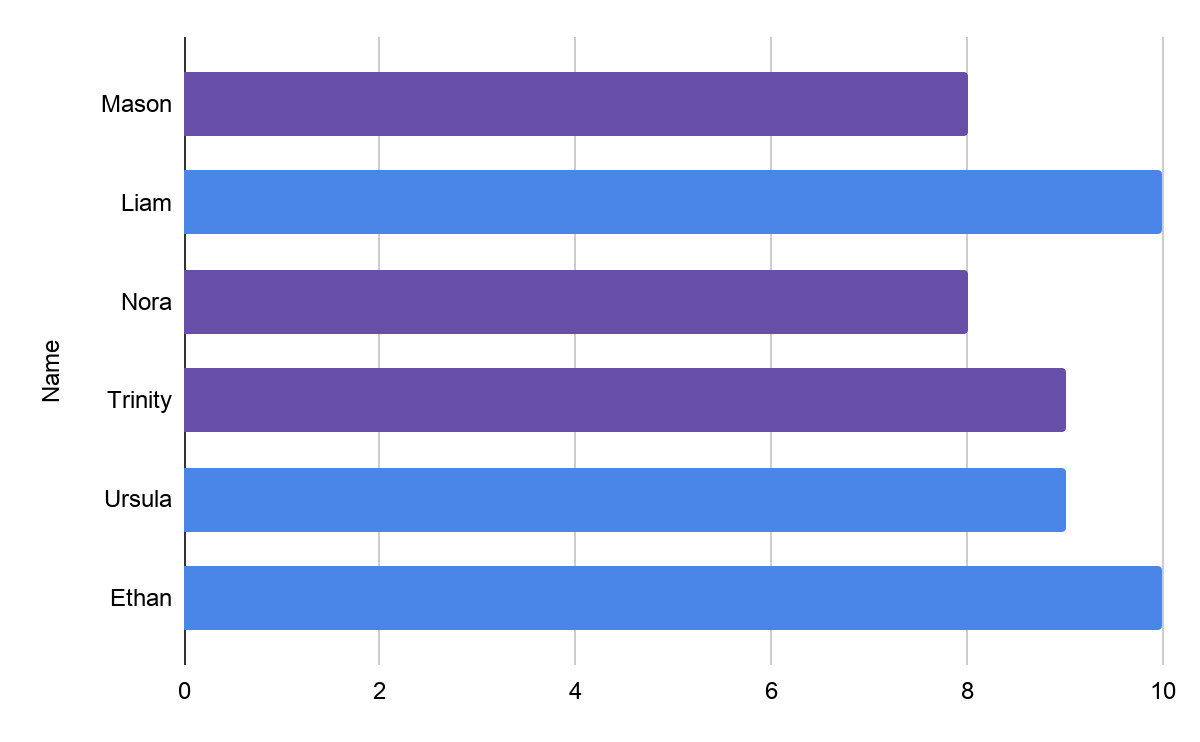
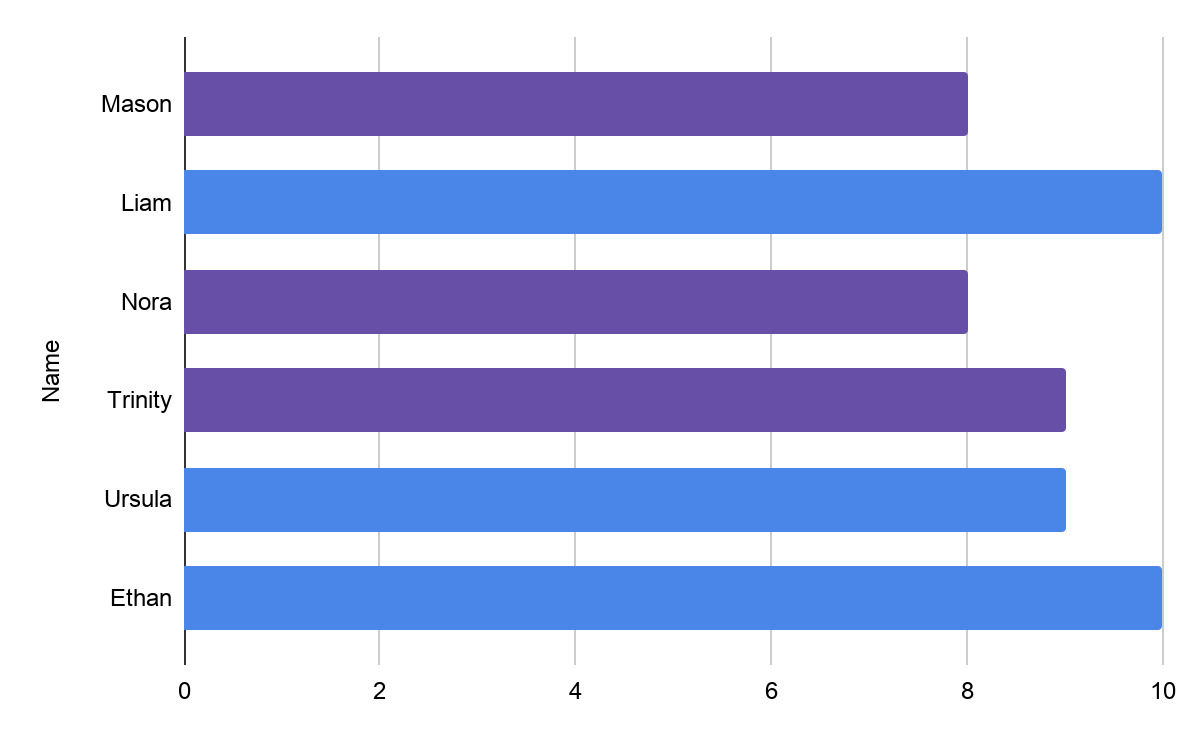
Liam’s parents have minimal academic expectations, instead expecting Liam to contribute to the family and work to become a “good person.” Liam, despite having low parental expectations, has high personal expectations, explaining he puts pressure on himself to succeed and earn high grades. Ursula’s parents value effort and understanding over perfect academic performance, expressing poor performance means lack of effort, not failure. Ursula has high expectations, aiming to work hard for achievements, and realizes there is room for improvement on low performance.
Ethan explains he has a competitive mindset and a strong focus on success, specifically acceptance to prestigious universities, over social standing. Both Liam and Ethan strive for As, believing that signifies success, while Ursula strives for As but is not overly focused on the letter grade.
Proactive Versus Reactive AHS
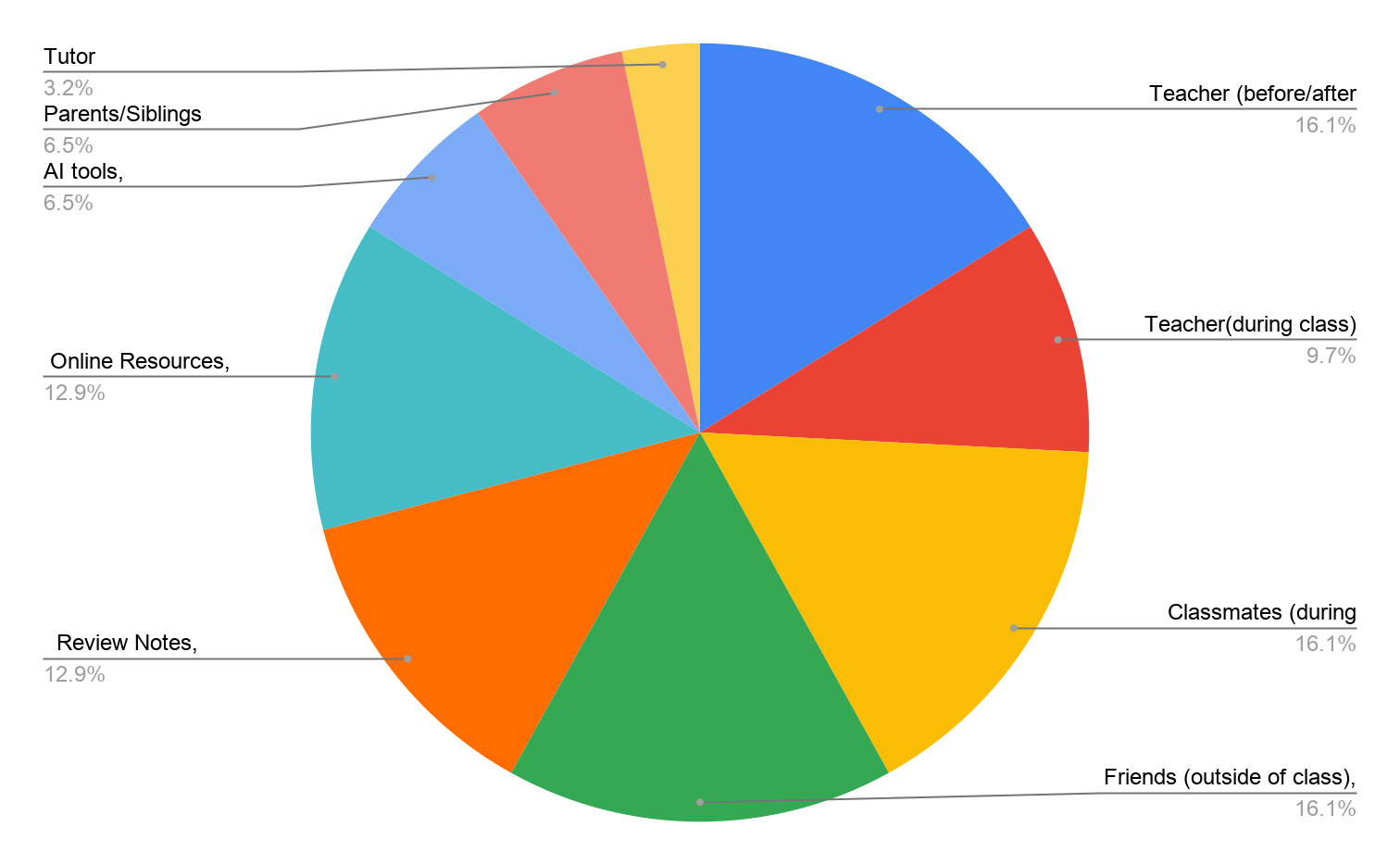
Participants’ responses revealed two types of AHS: proactive and reactive, shaped by parental expectations on whether help is prohibited, allowed, or mandatory: participants with high expectations often engaged in AHS reactively, while participants with low parental expectations engaged in AHS proactively. Mason had early structured expectations, attending outside mathematics classes that helped him develop a strong foundation and confidence in his academic skills. Mason rarely engages in AHS, preferring to solve problems himself. Nora explains her parents discourage outside tutoring, and she feels discouraged socially from AHS when peers push through without it. Trinity faces pressures to perform well academically from both her parents and personal expectations, leading her to seek AHS in difficult classes, but reactively from low pressure sources, like friends or online resources.
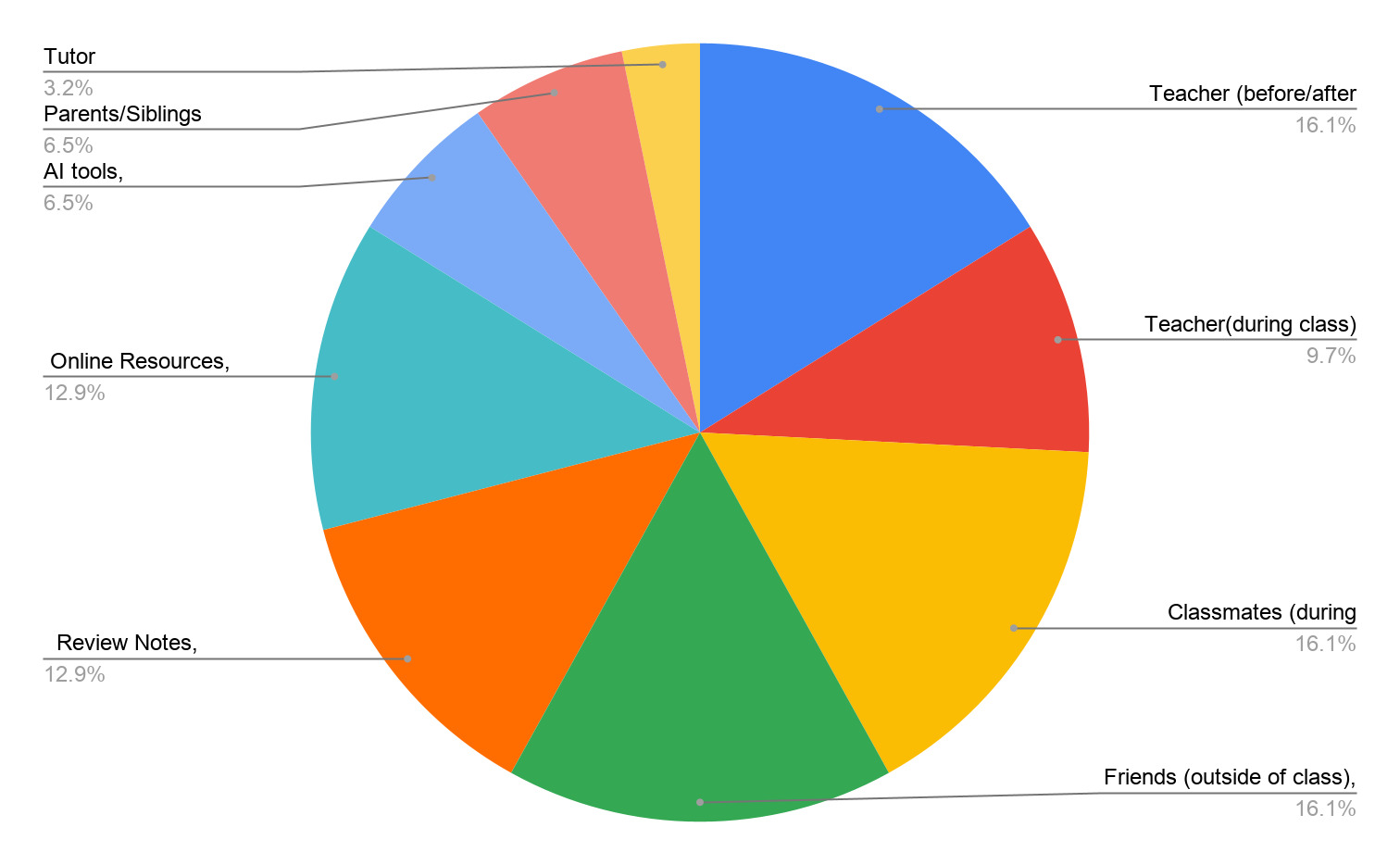
Participants with low parental expectations engaged in AHS proactively and were more comfortable with AHS strategies. Liam often engages in AHS, mostly using one on one teacher mentoring. Ursula, with highly supportive parents but low expectations, uses a wide range of academic support, describing herself as “very vocal” about needing help. Ethan also uses peers and textbooks often along with tutor support.
Stress, Avoidance, and Management
Regardless of parental expectation level, participants generally turned to emotional coping rather than AHS to manage academic stress, even when AHS could have reduced that stress. Emotional coping included time with friends or family, exercise, taking breaks from academic work, or spending time on social media; however, higher parental expectations correlate with participants seeking stress relief from friends rather than family.
Participants with high parental expectations experienced stress primarily from lack of time management and academic pressure. Mason explains time management issues and many activities outside of school largely contribute to stress, stating he often only feels academic stress a couple days before a test. Nora and Trinity explained their stress is mainly performance stress and pressure from parents and friends to earn high academic achievements.
Participants with low parental expectations experienced stress from extracurricular activities and lack of time management. Ursula explained high workload and poor time management result in poor sleep quality, which increased her stress levels the most. Ethan explained his stress stems mainly from parental reactions and peer judgement. Liam’s stress mainly comes from confusion due to a lack of teacher feedback.
Discussion
Participants’ responses showed high parental expectations may intensify academic pressure, drive for academic success, and reactive AHS behaviors. Participants’ responses appeared to indicate parental support and personal expectations had a larger effect on AHS behavior than parental expectations, although parental expectations are directly correlated with parental support and indirectly correlated with students’ personal expectations.
When parental support frequency was appropriately aligned with the level of parental expectations, students were more likely to engage in AHS behavior. Participants explained their parents were mostly emotionally supportive, along with providing support for finding programs that fit their students future aspirations. When parents had higher expectations and high frequencies of support, students felt more confident in AHS and explained they were better able to succeed academically. Participants’ explanation aligned with findings from Seifi (2025), stating AHS makes students less likely to engage in self-destructive behaviors that reduce confidence. Students explained parental actions and expectations can make AHS feel prohibited, allowed, or encouraged. Students who had high parental expectations but low parental support, like Nora, felt their parents prohibited them from engaging in AHS and had lower academic success; students who had aligned expectations and support felt their parents either allowed or encouraged engaging in AHS, making them more likely to frequently seek support. This pattern is similar to what was found by Arbós (2021), who explain students with high parental expectations avoid AHS due to fear of appearing incompetent to their parents, going further to explain that students prolong AHS to such a point their academic performance is hindered. SDT explains that because students with higher parental expectations have more external motivation, students’ competence is undermined, negatively influencing AHS likelihood. However, no participants experienced absolutely no parental support, meaning this study was unable to fully evaluate the spectrum of support frequency and therefore evaluate the different relationships of parental expectations and parental support. These results suggest parents may increase students’ AHS likelihood by pairing expectations with consistent, visible support, including checking in about academic needs before grades decline or explicitly framing AHS as expected rather than a sign of failure. Since parental expectation and support alignment appeared to shape participants’ comfortability with AHS more than expectations alone, this reframing may be more influential and practical than only adjusting expectations.
Findings suggest parental expectations are not directly tied to personal expectations but influence the area of focus of a student’s expectations. Participants with high parental expectations placed expectations on themselves to achieve near perfect grades or attend a prestigious university, both things their parents heavily valued; participants with low expectations were more focused on hard work, attending the university best for their personality and mental health, or sports performance, things their parents heavily valued. These personal goals being influenced by parental expectations is similar to what Katsantonis (2025) and Fiskerstrand (2024) found; parental expectations impact students’ academic goals and performance. Moreover, high parental expectations shape which goals carry value, which EVT explains leads to students internalizing those expectations and valuing performance accordingly. Given that several participants with high parental expectations seemed to internalize their parents’ definition of success to form their personal expectations, school counselors may be well positioned to help students identify academic goals distinct from their parents’ visions. Conversations regarding goal setting or values clarification might reduce the psychological cost a student may experience when failing to meet a parent-derived standard, specifically for students whose personal expectations closely mirror their parents’ own. Although these patterns aligned with other research, this study had participants with self-reported high personal expectations. Due to a lack of data on students with self-reported low personal expectations, this study was unable to fully evaluate how students with all levels of personal expectations respond to parental values. This study explains parental expectations influence personal expectations focus, which appears to shape the value of academic success.
Patterns in participant responses point to AHS frequencies being most heavily influenced by personal expectations, while AHS type was most influenced by parental expectations. Participants explained they engaged in AHS in order to meet their personal expectations for success and the help they should receive. Participants with personal expectations for near perfect grades or attending a competitive university were less likely to engage in AHS, believing they were capable of solving academic problems by themselves; unless they repeatedly failed, they did not engage in AHS. This behavior is similar to findings from Arbós (2021) stating students intentionally avoid AHS, fearing judgement from friends and family. These independent and self-sufficient tendencies are likely due to personal expectations valuing academic success; however, parental expectations also influenced students’ independence. Wu et al. (2022) found parental education anxiety causes more severe burnout, which might explain how parental expectations and their influence on student independence affect academic performance. When parents were more involved with support and described as collaborative, students were less independent in their AHS tendencies and actions regarding academics; however, only two participants in this study had heavily involved and collaborative parents, meaning this study is unable to conclusively label this as a pattern. On the other hand, participants’ AHS type, proactive or reactive, appeared to be indicative of parental expectations. Students engaging in proactive AHS had low parental expectations, likely meaning the lack of pressure to succeed allowed students to feel more comfortable engaging in AHS; students engaging in reactive AHS had high parent expectations, potentially due to the pressure to succeed without help from their parents. Achievement motivation theory can be used to explain this phenomenon; students with high parental expectations may view AHS as a threat to how their parents perceive their achievements, seeming to lower AHS likelihood. These findings suggest teachers can benefit from recognizing students’ silence in class is not necessarily a sign of mastery, especially among high achieving students avoiding AHS to possibly protect how their academic performance is perceived by their parents. Teachers normalizing AHS to every student, regardless of performance, may reduce stigma around AHS that appeared to suppress proactive AHS among participants with high parental expectations. Although expectations were specifically examined in relation to AHS likelihood, participants explained social pressures also influenced their AHS behavior, meaning this study did not fully examine all variables impacting AHS. This research has begun to bridge the gap of a lack of studies on the relationship between parental expectations and AHS behavior.
Findings suggested that participants actively avoided AHS when dealing with academic stress, instead turning towards emotional coping, even when AHS would have greatly reduced their stress. Participants turned towards spending time with friends, family, exercising, or social media as emotional coping. These coping strategies are similar to previous studies on stress management, with Can et al. (2020), finding exercise can improve psychological and physical health, and likely academic performance. Participants with high parental expectations, like Nora, explained they were under immense academic pressure but chose to avoid AHS after academic decline. Nora’s explanation agrees with previous research by Seifi (2025), finding students with better academic buoyancy have better psychological health and lower stress. Other participants also avoided AHS, stating they could handle all academic challenges thrown their way, even when under pressure and seemingly unable to solve it themselves. This study only utilized self-reported information, meaning data could be influenced by self-reported bias. This pattern is similar to research by Seifi (2025), who found self destructive behaviors, such as inaccurate self-assessment or avoidance of help, causes decline in academic performance and cognitive health. SDT explains that students who feel threatened by academic stress might feel that engaging in AHS is a further threat to their competence, making emotional coping a more protective, though less effective response. This avoidance pattern appeared regardless of parental expectation level; therefore, school administrators may be better able to systematically address it than individual teachers or parents. Integrating low-stigma academic support structures, like peer tutoring blocks or academic support periods, as well as stress management programs could help students engage in AHS during periods of stress rather than defaulting to emotional coping. Understanding the potential pattern of avoidance of AHS in times of stress, even if AHS would reduce stress, provides insight into how high school students cope with stress and what triggers avoidance of AHS behavior.
Conclusions & Future Directions
This study explored the relationship between parental expectations and AHS behavior, finding aligned parental expectations and support correlated with AHS likelihood. High parental expectations were correlated with reactive AHS and a greater focus on grades, while low parental expectations correlated with proactive AHS and greater focus on mental wellbeing. AHS frequency was more correlated with high personal expectations than parental expectations, similar to findings from Arbós (2021). All participants had medium to high personal expectations, likely due to the competitive nature of Purisima Academy, preventing evaluation of the impacts of low expectations.
These findings have begun to address the understudied relationship between parental expectations and AHS behavior, although larger studies are needed to generalize findings. Future research should be conducted with non self-reported data to remove potential bias or inaccurate causations drawn, as numerous factors impact students’ AHS likelihood, not just parental expectations. It is critical that future research examines the impact of social pressures on AHS along with parental and personal expectations. Moreover, future studies should be conducted on a larger scale to ensure results are more conclusive and applicable to other students. Using a larger scale could also shed light on behavior of students with zero parental support, very low personal expectations, and students who have collaborative parents. Further research in this area could lead to development of strategies to help educators and families create supportive environments where students feel comfortable engaging in AHS.
Disclosure
To the best of my knowledge, there are no conflicts of interest impacting my research, findings, or writing.