
Introduction
The Caribbean can often be described as a periphery region geopolitically—overshadowed by larger regions with more economic, political, or social pull. Regardless, the Caribbean faces a constant pressure of security threats that while less conventional than the interstate wars found in some areas of the globe, are no less destabilizing for the nations that make it up. Drug trafficking routes adapt much faster than law enforcement, violent crime erodes public trust in the state, and climate disasters can wipe out years of investment into infrastructure instantaneously (Griffith et al., 2022; UNODC, 2021). When domestically grown foreign terrorists began to be linked to Trinidad and Tobago within the Caribbean, existing regional organizations fragilely attempted to mobilize in response (Cottee, 2019). Organizations like CARICOM (Caribbean Community) and the RSS (Regional Security System) lack the ability to truly act in defense of the region when crises do emerge—relying on external actors like the United States (Bryan & Anthony, 2011; Maingot, 1994). U.S. support, through drug interdiction, intelligence sharing, or disaster relief, has been able to alleviate the region’s crises throughout the last half-century since the beginning of global unipolarity, but it also entrenches the Caribbean’s reliance on Washington’s shifting strategic priorities (Griffith, 2025).
The urgency of regional reform is no longer theoretical. In 2025, the Venezuelan navy struck a civilian fishing vessel in disputed Caribbean waters, an incident that not only risked escalation but also revealed the hollowness of the Caribbean’s security architecture (Just Security, 2025). This altercation serves as a reminder that crises in the region emerge suddenly, demanding institutions capable of coordinated and binding response. It is within this climate of instability that the MSTO, though still only a proposed framework, assumes relevance: a project of sovereignty reclaimed, where Caribbean states imagine security not as a gift of external powers but as a responsibility of their own collective design.
Overall, this dependence raises a central question: should Caribbean states establish a regional institution that can address security with binding and lasting action without defaulting to external control? The idea of a MSTO (Multinational Security Treaty Organization) is not designed to simply replicate the successes of military alliances like NATO, nor to build an overzealous supranational union. Instead, it is a reflection of the search for a truly stalwart agency to respond to regional crises promptly and surgically, allowing states to pool resources effectively, share risks, and strengthen the capacity of enforcement within a sovereignty-abiding framework they control (Fasola, 2024; Kikste, 2022). The purpose of this paper is to assess whether such a diplomatic conundrum is feasible, drawing on lessons from both failed regionalism and successful international bodies, while putting forward my own proposal for a Multinational Security and Treaty Organization (MSTO).
Materials & Methods
This paper uses a qualitative and comparative research approach to evaluate the feasibility of creating a MSTO for the Caribbean. It is guided by growing concerns about the region’s weakness in politico-military transnational cooperation, especially seen in CARICOM’s non-binding action and the RSS’ limited mandate and scope outside of keystone declarations (Bryan & Anthony, 2011; CARICOM, 2018). The research is grounded in the international relations ideology of liberal institutionalism, which claims institutions are the solution to reducing conflict between states, by providing an avenue to negotiate justly (Powell, 1994). In addition, constructivist theory is utilized to highlight how shared identity and socially constructed norms and perceptions shape security cooperation—even among small or relatively demilitarized states (Finnemore, 1996; Sutton & Payne, 2013; Wendt, 1999).
Liberal institutionalism also provides a basis for assessing how MSTO’s proposed command and coordination systems could reduce transaction costs and improve predictability in regional security operations. Constructivist insights likewise clarify how shared postcolonial identity might enhance compliance, legitimacy, and norm internalization within a treaty-based alliance framework.
These two theoretical bases together allow for a more holistic comprehension of how Caribbean states might be inclined to cooperate through a treaty-based military alliance with positive effects. The study uses comparative case analysis in addition to evaluate the structure, purpose, and effectiveness of other international bodies. NATO is examined specifically for its emphasis on mutual defense and coordination among states with different capacities and ideologies (Fasola, 2024). ECOWAS (Economic Community of West African States) is also used as a comparator due to its ability to operate across a swath of different political systems (Kikste, 2022). CARICOM and the RSS are included as internal regional comparators, to assess what has been attempted in the Caribbean so far, and where existing efforts fall short (Bryan & Anthony, 2011; Griffith et al., 2022).
Sources within this study include a combination of primary and secondary documents. Primary sources include treaties, official declarations, and strategic plans, such as the RSS Treaty of 1996 and CARICOM’s Counter-Terrorism Strategy (CARICOM, 2018). Academic sources, such as Anatol et al.'s “Managed New Security Threats in the Caribbean,” are additionally utilized to provide intellectual context, tracking the evolution of regional cooperation efforts through intense review and evaluation. UNODC (United Nations Office on Drugs and Crime) data is used to demonstrate patterns in transnational crime and drug trafficking from a non-partisan source, to justify operational necessity for a regional alliance. Expert commentary, specifically from Griffith’s 2025 CaribNation interview, is used to highlight how shifting U.S. priorities have left Caribbean states in a realm of vulnerability to foreign policy changes.
There are always limitations to any research, and this paper is no different. Regional institutions in the Caribbean like CARICOM and the RSS have low levels of transparency, making operational effectiveness difficult to assess in full detail (Griffith et al., 2022). Additionally, newer policy proposals, like CARICOM’s George-Bridge Declaration and Cyber Resilience Strategy, are still in development and do not yet provide evidence of long-term impact (CARICOM, 2025). Finally, this project is limited by its lack of field interviews or financial modelling, which could offer additional insight in the viability of establishing a MSTO. Even with these limitations, this comparative approach allows for a focused analysis of how a multilateral security organization like MSTO could be institutionalized to address the unique challenges of the Caribbean, and potentially of other macroregions globally. By drawing on both global and regional models, the study attempts to offer realistic and contextually specific assessment of the necessity and vision of such an agency.
Discussion
While acknowledging these methodological constraints, it is still essential to recognize the specific security landscape of the Caribbean to understand why MSTO could be both feasible and relevant. By moving from an assessment of limitation to a focused analysis of the threats themselves, this discussion situates MSTO as a necessity for the Caribbean geopolitically.
Security challenges in the Caribbean
The security challenges that confront the Caribbean are not conventional, stemming from a previously discussed convergence of transnational, internal, and environmental threats of violent trafficking, extremist radicalization, and climate-induced instability. These issues are regionally pervasive and yet structurally uncoordinated. Firstly, the limitations of the region to wholly respond to transnational issues are highlighted by the Caribbean’s unfortunate placement between two major consumption markets of narcotics.
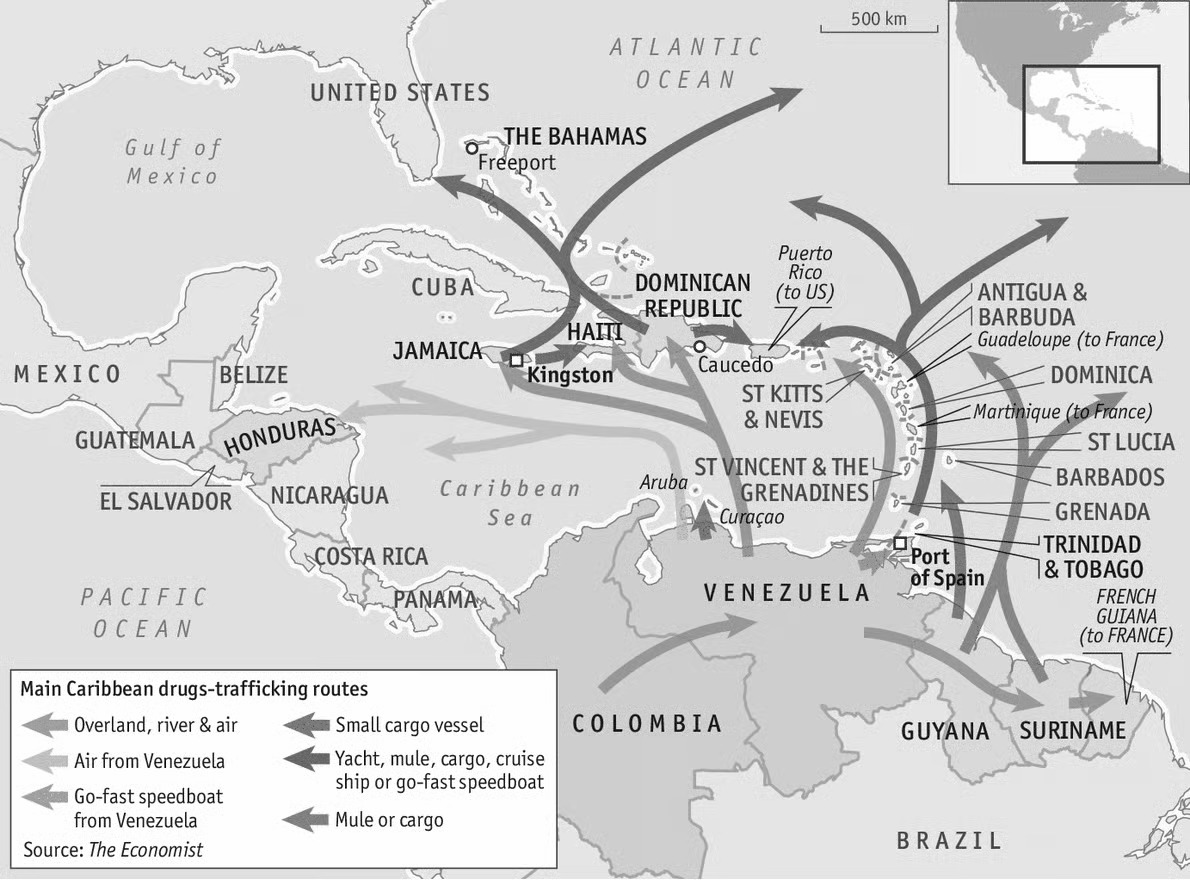
The region has a large amount of sovereign ocean that is difficult to enforce due to its geographic centrality and vastness in comparison to naval and law enforcement capability (Griffith et al., 2022). Additionally, three principal corridors as a result of this maritime traffic exist in the region: the Central Caribbean (linking Venezuela and the Dominican Republic), the Eastern Caribbean (through the Lesser Antilles), and the ABC corridor (Aruba, Bonaire, and Curaçao) (UNODC, 2021). These routes shift dynamically, avoiding prosecution, with most islands lacking adequate radar coverage or joint naval patrol capabilities (Insight Crime, 2023).
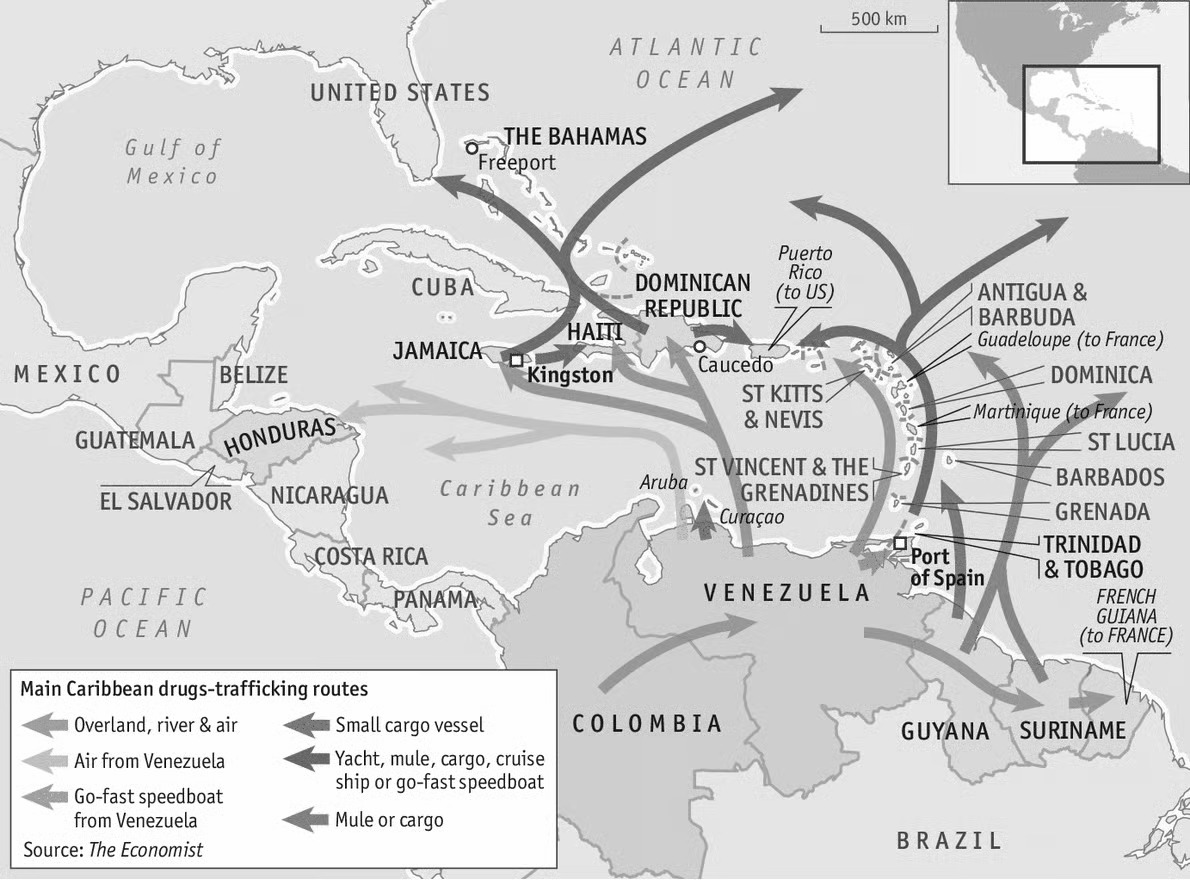
These corridors exploit both geographic centrality and jurisdictional fragmentation, enabling high-volume maritime transit across areas that exceed the routine surveillance capacity of regional naval and law-enforcement forces (2022; UNODC, 2021). The spatial diffusion of these routes underscores the structural challenge facing Caribbean states: insecurity is transnational in scope, while enforcement capacity remains nationally bounded (see Figure 1). This reflects the region’s weak maritime surveillance and fragmented jurisdiction, in face of the existence of two intergovernmental organizations specifically mandated to suppress this kind of crime (e.g. CARICOM, and the RSS). The result of this uncoordinated response is a “permissive environment for trafficking,” where criminal organizations can capitalize on inter-island gaps of patrol and intelligence coordinations, allowing traffickers to build semi-permanent infrastructure across multiple territories (Griffith et al., 2022). The absence of a coordinated maritime defense strategy or standardization renders sovereign boundaries largely arbitrary and unenforced, strengthening the case for a more binding institution to take over from existing regional and governmental agencies.
Recent developments in Venezuela further underscore the evolving nature of Caribbean security dynamics. The January 2026 U.S. military intervention, which resulted in the capture and removal of President Nicolas Maduro and the installation of an interim leadership aligned with U.S. interests, represents a significant instance of externally driven regime change within the region. (Council on Foreign Relations, 2026; UNODC, 2021). While framed as a law enforcement and counter-narcotics operation, the intervention has introduced new forms of geopolitical influence, including expanded maritime operations, shifting control over energy resources, and increased external involvement in regional security affairs (Atlantic Council, 2026).. These developments reinforce the argument that Caribbean insecurity is not only transnational but also increasingly shaped by external power projection, necessitating coordinated regional institutional responses rather than fragmented national approaches.
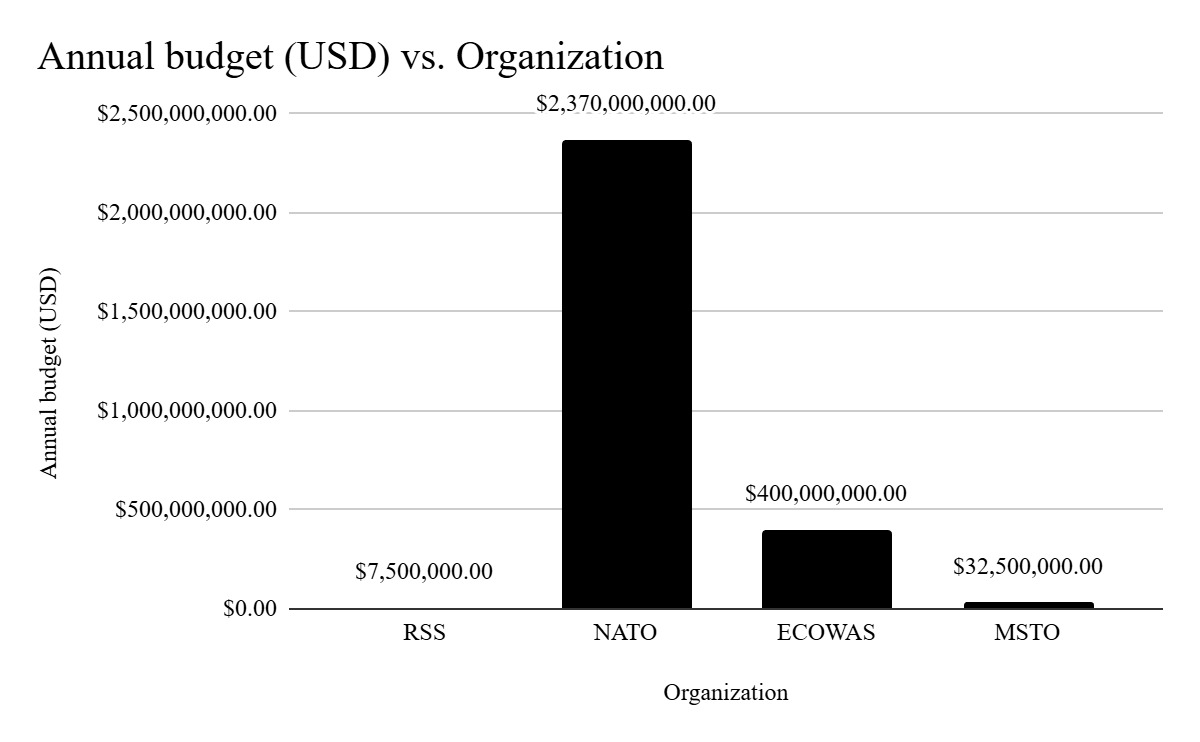
In addition to the lack of enforceable laws within the region, the Caribbean has nonetheless experienced lastingly acute radicalization. Between 2013 and 2017, an estimated 130 citizens from Trinidad and Tobago fought with the Islamic State—equivalent to roughly 96 fighters per million people, the highest per-capita rate in the Western Hemisphere (Seepersad, 2018). The phenomenon reflects institutional deficiencies: under-resourced policing, weak intelligence-sharing, and fragmented community outreach. In Trinidad, youth diversion programs were unsustained, while evaluations of CVE (Countering Violent Extremism) policy show top-down implementation that marginalized grassroots actors (Aldrich & Mahabir, 2019; CARICOM, 2018; Griffith et al., 2022). The 2018 CARICOM Counter-Terrorism Strategy is non-binding regardless of its purview in preventing radicalization, with no compliance provisions or standardized reporting. Proposed mechanisms such as a regional watchlist, biometric database, and joint intelligence center remain undeveloped, while the RSS operates on a budget of only $7.5 million dollars (2018; CNA, 2022; Griffith et al., 2022). Trinidad illustrates how small states are disproportionately affected by global security trends. Comparable risks include Suriname’s short-lived ISIS affiliate and Guyana’s porous Venezuelan border, which facilitates extremist spillover (Cottee, 2019; Seepersad, 2018). Without collective infrastructure to counter such dynamics, the region remains vulnerable—not only to residual extremist networks but also to the possibility of renewed violent threats.
In addition to transnational threats, the Caribbean faces disproportionately high levels of violent crime. Between 2000 and 2010, homicide rates increased by approximately 15 percent across eleven of twelve CARICOM member states (Seepersad, 2018). These trends are largely fueled by gang violence, narcotics trafficking, and the weakness of regional criminal justice systems. As public institutions fail to contain escalating violence, trust in state capacity erodes. Organized crime groups, such as the Jamaican Posse, often assume local governance functions where state presence is minimal. In such areas, informal justice systems emerge, creating alternative orders in place of formal authority (Griffith et al., 2022). This erosion of state legitimacy undermines regional stability by weakening the rule of law and deterring foreign investment (Onafowora & Owoye, 2019). In turn, the lack of public safety becomes a transnational issue, deeply rooted in regional systems yet spilling across borders.
Persistently elevated homicide rates across multiple Caribbean states illustrate that insecurity in the region is not episodic but structural, intersecting with organized crime, trafficking networks, and weak enforcement capacity (see Figure 2). These trends reinforce the argument that security threats are regionally interconnected rather than confined within national borders (UNODC, 2023).
Although CARICOM is positioned as a mechanism for regional integration, it remains constrained by fragmented mandates and national sovereignty concerns. Despite rhetorical commitments, its institutional structure lacks the operational capacity to coordinate meaningful responses to organized crime and violence (Griffith et al., 2022). Caribbean prison systems suffer from chronic overcrowding and weak rehabilitative infrastructure, enabling criminal networks to thrive. The Institute for Crime & Justice Policy Research (2019) reports that nearly all jurisdictions in its study were operating over capacity, signaling a widespread pattern of overcrowding—likely mirrored in the Caribbean context. These conditions exacerbate recidivism and violence, ultimately undermining regional stability.
Building on these challenges, Caribbean states also face heightened risks from climate-related disasters that exacerbate existing vulnerabilities and strain their capacity for sustainable development. Hurricanes, flooding, sea-level rise, and erosion place enormous pressure on national infrastructure. Despite efforts by individual states and CARICOM, no coordinated regional response system exists for disaster logistics, resource pooling, or emergency deployment. Major weather events like Hurricane Maria (2017) and Hurricane Dorian (2019) exposed profound shortcomings in national response systems. For instance, two weeks after Maria, 84 percent of Puerto Rico remained without electricity, 37 percent lacked potable water, and 14 percent of grocery stores were still closed weeks after the event. The introduced strategic frameworks—the Cyber Resilience Strategy (2024) and the George-Bridge Declaration (2025)—both of which remain in preliminary stages without binding timelines, signify nascent regional planning to bolster coordinated information systems and governance capacities for future climate emergencies.
These dynamics extend beyond CARICOM membership, implicating non-member states and territories whose security postures nonetheless shape regional stability. Recent UNODC and regional security assessments further underscore the scale of these vulnerabilities. Between 2010 and 2020, homicide rates across several CARICOM states consistently exceeded the global average by factors ranging from two to six (UNODC, 2023), while cocaine flows through the Central and Eastern Caribbean corridors increased by an estimated 25 percent according to seizure trend data (UNODC, 2021). Moreover, post-disaster assessments of Hurricanes Maria (2017) and Dorian (2019) reveal that infrastructural losses frequently surpassed national emergency capacities, with disruptions to electricity and supply chains lasting weeks in certain jurisdictions (Mendoza, 2024). These empirical indicators reinforce the region’s systemic vulnerability and the need for an institution capable of coordinating responses across functional domains and national boundaries.
Limitations of current regional frameworks
The Caribbean’s two primary regional security organizations—CARICOM and the RSS—provide important platforms for cooperation but are structurally inadequate in meeting the challenges outlined above. Both lack the mandates, resources, and cohesion necessary for collective action in a complex security environment.
CARICOM’s security strategy emphasizes dialogue and regional integration but lacks binding mechanisms for enforcement. The 2018 Counter-Terrorism Strategy, for example, outlines common goals but includes no mandatory compliance provisions, merely “encourag[ing] Member States… to support the implementation of the CT Strategy” (CARICOM, 2018). This lack of binding agreements reflects a broader trend: regional institutions are constrained by administrative formalism and elite-driven inertia, often favoring process over execution (Maingot, 2000). CARICOM’s requirement for unanimity in major security decisions contributes to inaction. In urgent scenarios—such as post-coup environments (e.g., Granada 1983), radicalization cases (e.g., Islamic extremism in Trinidad), or environmental crises (e.g. Hurricane Maria 2017)—consensus is difficult to achieve, slowing response times and reducing deterrence credibility (Griffith et al., 2022). These structural limitations have constrained CARICOM’s capacity to fully coordinate regional disaster responses. This is seen in the aftermath of Hurricane Dorian, which revealed challenges in managing international assistance. Affected states relied heavily on uncoordinated bilateral aid and highlighting gaps in regional logistical coordination (Mendoza, 2024).
The RSS does not maintain a standing force of its own. Instead, member states contribute personnel and equipment when requested, and deployment is only at the invitation of the host government." (Bryan & Anthony, 2011) This limits its responsiveness to transnational threats or natural disasters. During the U.S. invasion of Grenada in 1983, CARICOM states politically endorsed intervention, but the RSS lacked operational capacity to act independently (Douglas et al., 1984). This exposes a justification for American interventionism by highlighting the absence of Caribbean-led coordination as a key factor that allowed U.S. forces to dominate the operation (Clark, 2018). The case demonstrates that without integrated logistics and command structures, external actors will likely carry out missions even supported regionally. Despite its historical significance, the RSS has not evolved into a modern security alliance, as U.S. dominance limits its influence by “controlling resources and operational command” (Bryan & Anthony, 2011). Its lack of a standing force and reliance on invitation-only deployments, as seen during the 1983 Grenada invasion, demonstrates its reduced value beyond symbolic presence.
The United States continues to play a dominant role in Caribbean security through programs such as the CBSI (Caribbean Basin Security Initiative) and SOUTHCOM (U.S. Southern Hemisphere Command) operations. The effect of external security assistance has been to discourage the development of indigenous capabilities, leaving the region dependent on outside powers for both resources and strategic direction" (Sutton & Payne, 2013). This dynamic became more apparent during the Trump administration. In his CaribNation TV interview “Trump 2.0” (2025) Griffith predicted the reduction of USAID and CBSI funds, warning of significant disruptions to regional security training and development programs. The inconsistency of U.S. funding creates planning uncertainty for Caribbean states, weakening long-term preparedness and investment in independent infrastructure. As Griffith (2022) highlights, U.S. priorities—such as drug interdiction and migration deterrence—do not always align with the Caribbean’s broader needs, such as disaster response or internal policing. This divergence underscores the necessity for a regional institution with its own strategic mandate.
Diverse political systems and foreign alignments within CARICOM—ranging from pro-U.S. and pro-China governments to non-aligned states—complicate unified action. Additionally, political heterogeneity often obstructs consensus on security matters, yet without agreement on threat perception or response doctrine, meaningful cooperation is difficult to sustain. Any prospective security architecture must also contend with political and institutional diversity beyond CARICOM’s core membership. States such as Cuba, with more established intelligence and defense structures, introduce distinct ideological orientations and operational doctrines into regional planning (Sutton & Payne, 2013). Haiti’s chronic governance instability and recurring crises present additional challenges for sustained institutional engagement (Anatol et al., 2022). Meanwhile, the Dutch Caribbean territories operate under the legal and administrative frameworks of the Kingdom of the Netherlands, creating distinct security mandates and external dependencies (Smith et al., 1993). While uniform membership may not be feasible, tiered participation—through observer status, functional partnerships, or mission-specific integration—offers a path toward inclusivity without undermining MSTO’s institutional coherence.
Efforts to enhance regional capability—such as the establishment of a regional crime observatory and biometric intelligence system—remain in developmental phases (CARICOM, 2025; Sutton & Payne, 2013). No permanent regional command center or logistics hub exists to coordinate regional operations, with embassies, diplomatic missions, and other buildings instead being utilized (Griffith et al., 2022). Most security forces operate with incompatible systems, and there is no standard for intelligence-sharing or interagency coordination.
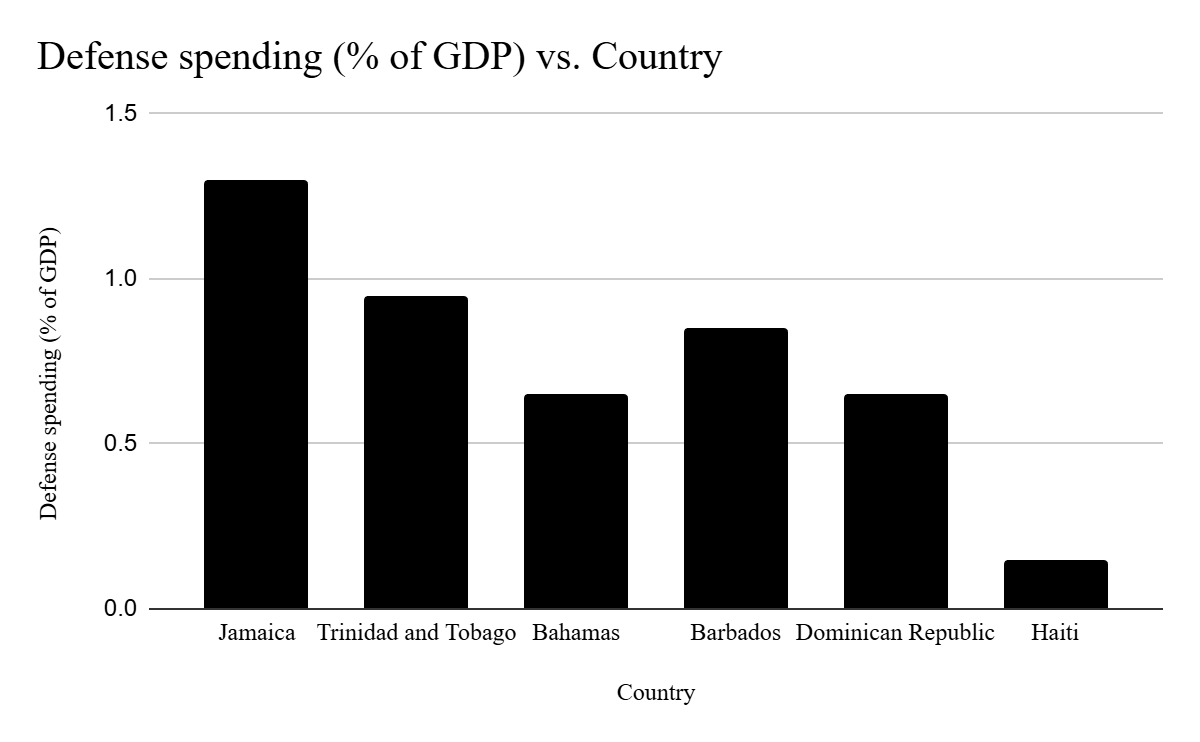
Additionally, small states face structural constraints. Most Caribbean nations spend under 2 percent of GDP on defense and rely on small paramilitary units or police for security operations (Smith et al., 1993). The result is a fragmented landscape in which threats that span borders receive only national-level responses, reinforcing the region’s vulnerability.
These crises—narcotics trafficking, extremist recruitment, endemic violence, and climate disasters—form a web of insecurities that existing bodies have failed to untangle. Each problem compounds the next, producing a cycle of vulnerability. Yet the lesson is clear: without an institution capable of transcending rhetorical commitments and establishing binding, enforceable mechanisms, the Caribbean will remain reactive rather than proactive. MSTO, in this sense, is less a hypothetical alternative than a necessity born of accumulated failures.
The Case for a MSTO
CARICOM and the RSS currently operate without binding enforcement mechanisms, undermining their ability to respond proactively to transnational security threats. As previously discussed, the CARICOM Counter-Terrorism Strategy adopted in 2018 remains non-binding and lacks formal compliance or sanctions provisions (CARICOM, 2018). In this context, “binding” refers to treaty-mandated obligations for participation in joint operations, standardized intelligence-sharing protocols, and pre-authorized deployment mechanisms, rather than supranational political authority. The RSS, while active in the Eastern Caribbean, lacks a standing force and can only be deployed at a member’s invitation, limiting its rapid-response capability in crises (Bryan & Anthony, 2011). This institutional inertia creates gaps in maritime control, criminal prosecution, and disaster coordination. MSTO I am suggesting, grounded in treaty obligations with standing command capacity, would address these structural weaknesses by consolidating regional resources into a coherent system of joint operations and shared accountability.
MSTO would create a political council, a rotational military command, and a civil-defense corps to manage both security threats and natural disasters. This structure draws inspiration from ECOWAS’s successful regional interventions and the EU’s integration of civil and military structures (Kikste, 2022), meaning in practice the establishment of joint command centers, cross-agency planning cells, and hybrid missions that blur the line between military enforcement and civilian reconstruction. In this model, security is not confined to the battlefield but extends into governance, resilience, and recovery—a template that MSTO could recalibrate for the Caribbean’s dual struggle against crime and climate catastrophe.
Caribbean states without standing armies—such as Bahamas or Barbados—could contribute non-military capabilities, including intelligence support or disaster logistics. Larger states like Jamaica and Trinidad and Tobago could supply personnel for joint maritime enforcement tasks while benefiting from shared training and interoperable command systems (Fasola, 2024; Smith et al., 1993).
Central to MSTO’s value would be its ability to coordinate maritime surveillance and interdiction operations across jurisdictions. The Caribbean’s cocaine transit routes—including the Central Caribbean corridor, Eastern Caribbean chain, and the ABC islands—shift in response to enforcement pressure, exploiting gaps created by weak radar coverage and disjointed patrols (UNODC, 2021). Through shared radar networks, combined naval patrols, and regional intelligence repositories, MSTO would deter trafficking enterprises more effectively than isolated national efforts. By creating a regionally owned security organization, the Caribbean would also reduce dependency on external actors like the United States. Programs such as the CBSI and U.S.SOUTHCOM support have historically filled security gaps, but they reflect shifting U.S. priorities and lack predictability (Sutton & Payne, 2013). MSTO would give member states a platform for coordinating their own responses and articulating regional interests in external partnerships, thereby enhancing strategic autonomy and long-term capability development.
Concerns about sovereignty remain central to regional hesitancy. Caribbean publics and political elites have historically resisted ceding authority to supranational bodies, a wariness rooted in postcolonial memory and the slow pace of CARICOM’s integration record. These anxieties underscore the need for an institution whose authority is strictly delineated, transparent, and limited to functional domains of shared vulnerability rather than broad political governance.
Environmental security and climate resilience could additionally be another critical domain for MSTO. Hurricanes, flooding, and sea-level rise regularly overwhelm national disaster-management capacity. Past storms revealed severe coordination failures and delays in inter-island relief logistics (Mendoza, 2024). MSTO’s civil-defense wing would include rapid logistics deployment, pooled emergency stockpiles, and inter-state coordination protocols, enabling faster collective response to climate shocks and reducing reliance on ad hoc aid. A regional civil-defense wing under MSTO would allow states to pre-position disaster assets, share early-warning systems, and coordinate logistics in ways that existing bodies have struggled to institutionalize. This integration would transform climate response from a reactive posture to a proactive, scalable regional capability. In this way, MSTO would transform fragmented and ad hoc disaster relief into a regionally owned rapid-response mechanism, ensuring resilience. Unlike CARICOM’s declarations or the RSS’s invitation-based deployments, MSTO’s standing framework promises continuity. It is precisely this permanence—this refusal to collapse under the weight of sovereignty concerns—that renders MSTO a superior model.
Current defense spending in many Caribbean states remains under 2 percent of GDP, limiting the pool of available resources for sustained regional commitments (Smith et al., 1993). Establishing a joint maritime coordination center would require comparatively modest investment relative to full-scale militarization, making incremental capacity-building both financially plausible and politically palatable.
.png)
Defense spending across Caribbean states remains comparatively low, reflecting both fiscal constraints and limited force institutionalization (Figure 3). This resource environment constrains unilateral capacity expansion, thereby increasing the relative feasibility of collective security arrangements that emphasize coordination, burden-sharing, and pooled capabilities.
While the normative rationale for deeper regional security cooperation is compelling, the feasibility of a Multinational Security Treaty Organization depends on political, financial, and operational considerations. Financially, the budgets of existing institutions such as the RSS—approximately US $7.5 million annually—illustrate the resource constraints that shape Caribbean security capacity (CNA, 2022). Politically, sovereignty sensitivities and constitutional commitments to non-interference continue to limit states’ willingness to pool authority at the regional level (Maingot, 2000), while public skepticism toward supranational entities has historically constrained integration initiatives (Sutton & Payne, 2013). Operationally, uneven national capabilities—particularly in maritime assets, intelligence infrastructure, and disaster logistics—introduce disparities that complicate coordinated action (Griffith et al., 2022). A phased integration model, beginning with intelligence fusion and maritime coordination before expanding toward joint civil-defense and enforcement missions, offers a pragmatic approach and aligns with institutional development trajectories observed in comparable alliances (Fasola, 2024). In this sense, MSTO’s feasibility is contingent upon calibrated institutional design rather than assumed by default.
The intellectual foundations of MSTO are further strengthened when viewed through a constructivist framework. Caribbean regionalism is shaped not only by material vulnerabilities but also by shared postcolonial experiences, linguistic affinities, and regionally embedded norms of solidarity (Sutton & Payne, 2013). These socially constructed identities establish a basis for institutional legitimacy that complements the functional imperatives driving cooperation. Constructivist theory further suggests that shared norms and expectations shape state behavior and enhance the perceived legitimacy of collective action (Finnemore, 1996; Wendt, 1999). In parallel, liberal institutionalism underscores the value of predictable rules, dispute-resolution mechanisms, and information-sharing systems in mitigating uncertainty and enabling cooperation even among small states with limited resources (Powell, 1994). Through formalizing these mechanisms, MSTO would translate regional identity and normative alignment into operational doctrine, reinforcing its authority and coherence.
Comparative Models
NATO offers a useful but non-direct template for MSTO by demonstrating how collective security obligations, interoperability, and joint training strengthen alliance cohesion. NATO’s model includes binding treaties, standardized command structures, and mutual defense clauses that ensure member states respond collectively to threats (Smith et al., 1993). MSTO would emulate these features on a smaller scale, with commitments calibrated to Caribbean states’ resources and regional threat profiles. Instead of deploying combat brigades, MSTO would focus on maritime assets, coast guard operations, and disaster relief units—from participating states. ECOWAS presents a more comparable case. Its operational interventions in regional crises—such as peacekeeping and enforcement missions—are enabled by the ECOWAS Standby Force and political mandate (Kikste, 2022).
ECOWAS balances sovereignty concerns with collective action through a rotational leadership model and shared command. MSTO would replicate this approach, ensuring that no single member dominates but that each shares responsibility for regional security operations. Unlike NATO or ECOWAS, MSTO would need to integrate states without traditional military forces. Similar arrangements exist in Central America, where countries like Costa Rica engage in regional security cooperation through civilian-led units and regional coordination centers. This model allows participation without compromising constitutional demilitarization and ensures inclusivity across the region (Smith et al., 1993). MSTO’s design would formalize civil-military hybrid contributions, capacitating the inclusion of islands with limited defense infrastructure.
The RSS also provides lessons. Its formation in 1982 allowed Eastern Caribbean countries to request assistance for maritime policing, border control, and disaster response (RSS Treaty, 1996). However, reliance on ad hoc support and funding constraints inhibit its reach. As of March 2022, Guyana’s accession expanded RSS membership, and its budget stands at around US $7.5 million annually, mostly funded by Barbados. While RSS effectively engages in military training via its training institute, its invitation-based deployments and narrow geographic scope limit its strategic potential (CNA Research, 2022). MSTO would overcome these limitations by adopting a treaty-based governance structure covering the broader Caribbean Sea basin. Finally, MSTO would avoid the dependency pitfalls seen in U.S.-dominated programs, and illustrate the resource constraints shaping Caribbean security capacity (CNA, 2022), against which a conservative author estimate for MSTO can be contextualized.
While CBSI and U.S. Coast Guard support have improved technical capacities in maritime surveillance and judicial coordination, their agendas often prioritize U.S. interests over regional resilience (Sutton & Payne, 2013). MSTO’s regionally led mandate would ensure alignment with Caribbean-specific priorities—not external agendas—while still allowing symbiotic partnerships with international actors when aligned with MSTO’s strategic plans (Griffith et al., 2022).
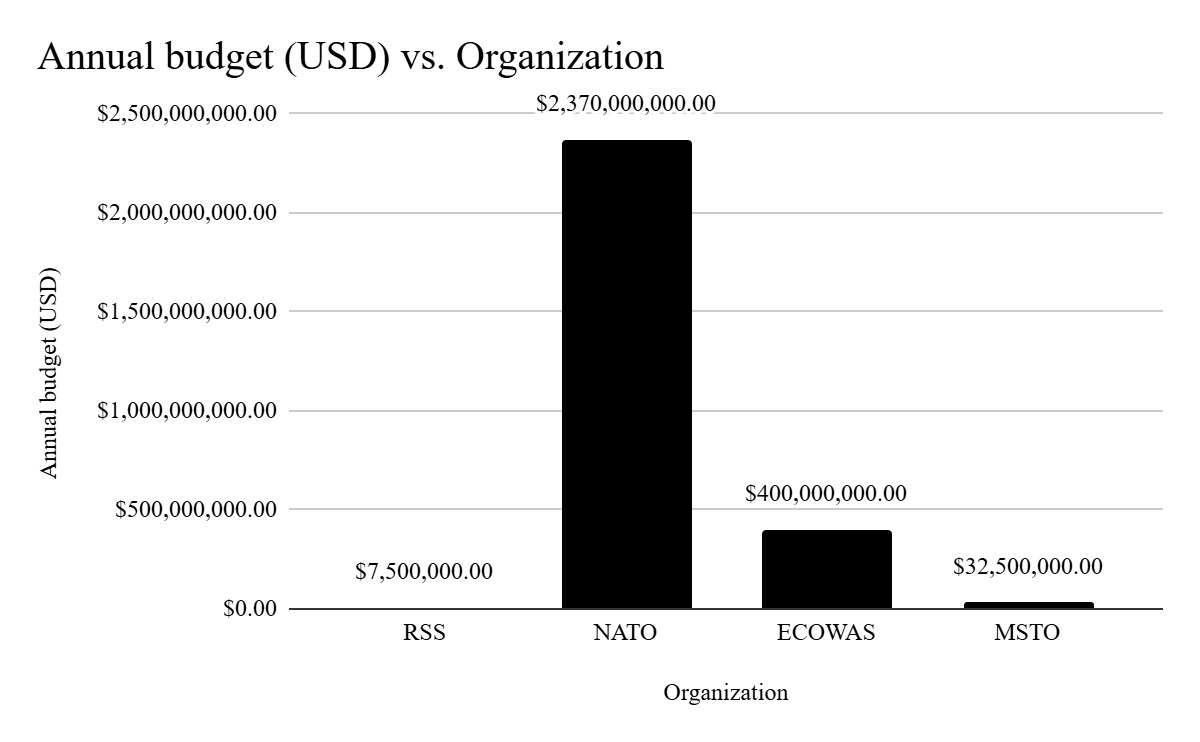
A comparative assessment of institutional budgets situates the proposed MSTO between existing Caribbean mechanisms and larger alliance structures (Figure 4). The proposed MSTO budget remains orders of magnitude smaller than NATO while modestly exceeding existing Caribbean arrangements, reflecting an expanded mandate without the costs associated with standing forces. This scale suggests that institutional expansion is financially plausible if framed around coordination, intelligence-sharing, and maritime security rather than collective defense. As such, the MSTO occupies a feasible middle ground between symbolic cooperation and resource-intensive alliance structures.
Conclusion
The central challenge for Caribbean security is not a lack of recognition of threats, but the absence of institutions capable of sustained, coordinated responses. States are well aware of the pressures posed by transnational crime, gang violence, radicalization, and recurring climate shocks, yet their responses remain fragmented and dependent on external support. CARICOM and the RSS have created frameworks for dialogue and limited operational cooperation, but their scope and authority have proven insufficient for the demands of the present era. In practice, the gap has been filled by the United States, whose interventions provide critical assistance but also entrench structural dependency. As U.S. priorities shift, the reliability of that support becomes uncertain, leaving Caribbean governments exposed to risks that exceed national capacity. Reliance on the United States has created a cycle of dependency that distorts Caribbean priorities. Washington’s strategic gaze often falls on counternarcotics or migration deterrence—objectives that, while important, do not align with the region’s holistic security needs. When U.S. funding wanes, so too does Caribbean preparedness, leaving local governments exposed to crises they cannot contain. The absence of indigenous institutions ensures that the region remains a follower of external agendas, rather than a shaper of its own destiny.
Assessing feasibility therefore requires not only identifying institutional shortcomings but also considering how a phased, resource-sensitive architecture could mitigate the political and financial constraints that have historically limited regional initiatives (Griffith et al., 2022; Maingot, 2000). Accounting for these factors positions MSTO as a realistic framework rather than an aspirational ideal.
In this sense, the question is not whether the region requires stronger institutions, but whether states are willing to move toward more binding and enforceable arrangements. My proposal for a Multinational Security Treaty Organization (MSTO) must be understood in this context. MSTO would not replicate NATO or ECOWAS, nor could it, given the profound differences in scale and resources. But the comparative analysis suggests that treaty-based mechanisms, with clearly defined obligations and enforcement provisions, offer a more credible path than the loose consultative structures that currently dominate regional security politics. MSTO, if designed with attention to regional capacities and vulnerabilities, could provide a framework for pooling resources, sharing intelligence, and asserting a degree of strategic autonomy. Such an organization would face predictable obstacles, including financial constraints, political hesitancy, and uneven levels of state commitment.
Yet the alternative—continuing with under-resourced institutions and ad hoc reliance on external actors—is unlikely to address the region’s long-term security challenges. The creation of a MSTO is not a guarantee of success, but it represents a pragmatic step toward a more resilient and self-directed security architecture for the Caribbean. MSTO, therefore, is not merely another entry in the long catalogue of regional initiatives. It is the first serious proposal for a Caribbean security architecture built on binding obligation, mutual accountability, and strategic autonomy. To reject it would be to accept the cycle of dependency; to embrace it would be to imagine a region finally sovereign in the defense of its own future.
Conflicts of Interest
The author declares that they have no conflict of interest.