
Introduction
Globally, governments have implemented welfare programs intended to increase individual opportunity and build a long-term educated workforce and economic growth. Ideally, education offers the cleanest path to achieve these goals, and yet households often steer away from keeping their children in school because they face high economic constraints. There are two main reasons as to why children might not be enrolled in school. The first category is the “rational” reasons, such as the household not having enough money to pay tuition fees, uniforms, transportation, and forgone labor. The second category is the more “irrational” and subconscious reasons, such as information friction, the status quo bias, and present bias (Kahneman & Tversky, 1979; Thaler, 1980). To solve these issues, some countries have implemented conditional programs that lower the cost of schooling and require households to keep their children in school.
Cash transfers have become a popular solution since they are scalable and can be directed towards more underprivileged households. Conditional Cash Transfer programs (CCTs) enforce compliance by monitoring school attendance. Unconditional Cash Transfer programs (UCTs) do not have enforcement and therefore save money and fiscal capacity. Labeled Cash Transfers (LCTs) are unconditional programs, but frame the transfer as intended for a specific behavior (e.g., school enrollment, vaccination/childcare, and food consumption). Several papers suggest that these programs increase enrollment and attendance, but they differ in context (Baird et al., 2013; Snilstveit et al., 2016; Kagawa et al., 2024). Individual evaluations of programs suggest similar patterns. Mexico’s CCT PROGRESA (later renamed PROSPERA) and Brazil’s CCT Bolsa Família show high schooling gains, and Morocco’s LCT increased household awareness and generated high effect rates while keeping monitoring costs low (Benhassine et al., 2015; de Janvry & Sadoulet, 2006; Schultz, 2004).
What was previously unanswered was why effect rates vary so much, and which features and designs can be transported across contexts. Policy makers face tough decisions when deciding which programs to implement. They can set a conditional program that has been shown to constantly increase schooling rates in some scenarios, but face the burden of high administrative costs, and in contexts where administrative capacity and infrastructure are limited, the same conditional program may be unfeasible or poorly implemented, leading to lower than expected outcomes.
This research paper finds an important gap in existing research. While studies generally agree that cash transfers improve outcomes, and program effects change according to context where applied, no study manages to explain which design features are interchangeable between different contexts and which only work under specific conditions. Currently, policymakers in low-income countries lack systematic guidance on whether to build harsh conditional monitoring systems, build unconditional monitoring systems, or even implement labeled transfers as a middle ground. This paper addresses that gap by combining evidence from 15 independent empirical studies (peer-reviewed papers and working papers), each evaluating one or more cash transfer programs. Where multiple estimates were reported within a study, a single standardized estimate was extracted to preserve independence across observations. This research used precision-weighted meta-analysis to estimate the overall impacts of governmental intervention on school enrollment, school attendance, and household consumption, while also testing whether the heterogeneity observed has a correlation with context. The findings show consistent gains with high variation, showing that the question of how to match program architecture to local administrative capacity and the binding constraints households face are questions of immediate implication for designing successful and effective welfare programs.
Theoretical Framework
The theoretical framework used to understand how welfare program design features uses the foundation of behavioral economics. This paper specifically looks into how nudges, which are defined as interventions that alter people’s behavior in predictable ways without forbidding options or significantly changing economic incentives (Thaler & Sunstein, 2008), as well as principles from developmental economics. Richard Thaler and Daniel Kahneman have shown that humans do not act as rational homo economicus, defined as a hypothetical person who acts according to their own best rational self-interest (Mill, 1836), and instead small changes in the way that choices are presented actually can have a significant impact on decision making (Kahneman & Tversky, 1979; Thaler, 1980). Nudges only work because several psychological influences act on humans; of these, the framing effects, salience, and default options can be applied to welfare programs. Particularly in the case of cash transfers, nudges can take the shape of labeling transfers as intended for education, and matching the payment timing with that of school enrollment. The key idea behind nudges is that they can be implemented at relatively low cost compared to other popular alternatives (taxes, subsidies, grants, and conditionality) since they save money not only on application but also on monitoring and ensuring compliance. They are also appealing because they don’t restrict choices, giving individuals freedom to exercise their freedom while incentivizing a desired choice. This suggests that in countries where fiscal and state capacity for monitoring and ensuring compliance are scarce, nudge-based practices such as labeling cash transfers might prove to be as effective as conditional programs but without the substantial administrative costs of verification and penalty systems.
Nudges
Nudges work by utilizing predictable patterns in human psychology to guide behavior without major financial incentives or mandates. Richard H. Thaler and Cass R. Sunstein define nudges as a part of choice architecture that can direct individuals towards a preferred outcome, while still maintaining their freedom of choice (Thaler & Sunstein, 2008), allowing people who deeply desire a certain option to still keep it, while at the same time influencing the behavior of those who don’t have a preference or have limited information about the choices presented to them. In addition to cash transfer programs, nudges have a diverse set of applications, including retirement savings, where nudges increased retirement savings participation through automatic enrollment in 401(k) plans, and therefore increasing the enrollment of the individuals in that particular company/group, and organ donation with countries that implemented opt out rather than opt in policies showing an outstanding increase in organ donors (Johnson & Goldstein, 2003).
However, unconditional cash transfer programs’ nudges work differently from conditional transfers by relying on psychological influences rather than regulation and enforcement. On one hand, conditional programs are not considered nudges because they address problems by adding requirements and creating circumstances in which non-compliance results in consequences such as payment or program withdrawal, acting more as a “shove” than a “nudge”. On the other hand, nudges work through cues that make a specific behavior more likely to be followed without enforcing rules. These differences matter because nudges can save taxpayer money, allowing programs to work in countries that don’t have enough money for enforcement. They can also preserve the recipient’s autonomy. For example, LCT’s can be considered nudges because they change the choice architecture and information environment to correct irrational barriers without altering economic incentives.
Framing effect
The framing effect is a type of nudge that works through “mental accounting,” a concept created by Richard Thaler, describing how individuals categorize financial resources differently based on their sources and on the way that they are presented (Thaler, 1980). Mental accounting is also used to explain irrational behaviors, such as treating income differently from a tax return you weren’t expecting to receive. Kahneman and Tversky’s prospect theory provides the foundation, showing that people evaluate outcomes relative to a reference point and experience loss aversion, which is defined as weighting potential losses approximately twice as heavily as equivalent gains (Kahneman & Tversky, 1979). This nudge can create powerful effects because framing a cash transfer as intended for children’s education can establish education costs as a reference point, therefore making spending that money in alternative ways feel like an unintended use of money. The studies from mental accounting go beyond cash transfers to consumer spending. In cash transfer programs, labeling creates a nudge by activating the mental accounts without requiring any monitoring, and therefore minimizing expenses.
Salience
Salience is defined as being noticeable and apparent; salience operates through selective attention and cognitive availability. These concepts are rooted in Daniel Kahneman’s book Thinking Fast and Slow. The book presents two different types of systems: System 1 involves processing information that is readily available and noticeable/salient, and System 2 requires effortful deliberation to consider less obvious alternatives (Kahneman, 2011). Program designers often make transfers more salient by designing education payments to match the same time as student enrollment periods. This approach leverages System 1 to make education spending follow the path of least cognitive resistance. This nudge works with the framing effects since the proximity of the payment to the time of enrollment increases the chances that the funds will be used for related purposes, but it is important to note that salience and framing are different types of nudges. In addition, salience has a variety of effective measures, including visual prominence, frequency of messaging, and social norms. For example, giving information on school enrollment with payment delivery makes education more accessible than if the information were given weeks earlier. Even though salience contributes and makes the framing effect more efficient, it works differently because salience affects which options gain more consideration, and which gain consideration at all, while, on the other hand, the framing effect works on how the options are evaluated once they are already considered. In scenarios where resources are scarce, nudges implementing salience-maximizing methods can prove to be advantageous because they require little infrastructure/capital, making them scalable, and also because they increase the effectiveness of other nudges.
Literature Review
Cash transfers have globally become a popular anti-poverty tool; however, program characteristics and designs vary significantly between countries. On one hand, governments may implement strict enforcement and monitoring policies to ensure compliance, while on the other hand, governments may also provide unconditional support with virtually no enforcement. This variation in design features creates room to explore which design features can be correctly implemented globally and which are context-dependent, requiring specific fiscal capacity and international aid to function, and therefore are limited in the countries where they can be deployed and implemented.
Existing research shows that welfare programs improve poverty reduction and health, but has not explained why and when specific program designs work in some places while failing in others. This review explores three specific gaps. First, even though meta-analyses document diversity in program effects, they do not explain which factors create variation. Some unconditional benefits lead to undesirable outcomes, for example, increasing unconditional cash benefits leading to increased alcohol related emergency department visits in the United States (Chroniy et al., 2025). Second, evaluations are spread across diverse environments, making it difficult to determine which features require specific implementations. Finally, no research has directly examined research portability by testing which features work across different scenarios.
For instance, (Baird et al., 2013) found that harsh enforcement and conditionality increased school enrollment by approximately 60%, whereas 20% for weaker enforcement across 35 studies. Snilstveit et al. (2015) reassured that CCTs improve enrollment with larger effects, while schooling rates were originally lower, and enforcement was strict. This distinction also presents a broader and common debate in developmental economics. Conditionality can be understood as a strong form of paternalism, placing behavioral requirements on recipients, while nudges, such as labeled cash transfers, are weaker, guiding individuals’ behavior without taking away choice or monitoring behavior.
Kagawa et al. (2024) analyzed 114 studies of unconditional cash transfers, finding significantly positive effects with diversity created by transfer timing, targeting women, and behavioral economics implementation. These meta-analyses prove that both conditional cash transfers and unconditional cash transfers work, but do not explain in which scenarios which works best and why. In addition, some research shows that unconditional benefits can sometimes lead to undesirable outcomes. For example, Benhassine et al (2015) found that Morocco’s Tayssir program generated so much additional school attendance that negative learning effects started to show up in classrooms, therefore showing that increased enrollment rates do not always improve learning quality and sometimes may even decrease it.
Individual program evaluations serve as the foundation for meta-analytical synthesis and reveal relevant welfare program context dependencies. For example, both Schultz (2004) and De Janvry and Sadoulet (2006) examined Mexico’s welfare program PROGRESA. They found that conditional transfers increased enrollment compared to unconditional aid, but this effectiveness varied significantly among different baseline enrollment rates and average household income. The World Bank’s evaluation of PROSPERA found increased enrollment numbers but constant learning rates, implying that cash transfers can increase attendance rates but not improve learning. These reports show that conditional cash transfers work, but only in cases where high fiscal capacity and monitoring are present.
In contrast, comparative programs that examine multiple program types in a single setting provide clearer identification of program design and feature effects. Akresh et al. (2016) in Burkina Faso and Robertson et al. (2013) in Zimbabwe found that conditional cash transfers had higher educational gains, but unconditional cash transfers had improved child health and mental outcomes. Tran et al. (2024) combined 27 African studies, reporting that conditional cash transfers were more effective and outperformed unconditional cash transfers, specifically in fragile contexts (areas exposed to armed conflict, environmental disasters, and/or economic collapse). These studies show that some characteristics are context-dependent, but cannot rule out specific factors.
Evidence on labeled cash transfers suggests that there may be a potential middle ground for portability. Benhassine et al. (2015) found that Morocco’s Tayssir program made enrollment gains from simple labeling that was indistinguishable from the prior conditionality with monitoring. Yet, the labeling still proved to be as effective because local households already valued education and faced behavioral barriers, as opposed to economic barriers. Benhassine et al. (2015) found that the Tayssir program led to substantial increases in school attendance, but negative learning effects were observed, indicating that program effectiveness also depends on complementary school and infrastructure investments.
Methodology
This project used meta-analysis to combine impact estimates from empirical sources of welfare programs ranging from cash transfers and closely related social programs from low, middle, and high-income countries. By combining data from multiple studies, this meta-analysis can find patterns in what works, for whom, and under what conditions, therefore addressing external validity better than single program studies can.
The methodology includes multiple types of cash transfer programs to improve the comparison between different economic and institutional contexts. For the CCTs, major programs were used specifically Mexico’s PROGRESA (now PROSPERA), Brazil’s Bolsa Família, and Colombia’s Familias en Acción, all of which require program participants to meet specific requirements such as going to school and maintaining a specific amount of attendance, as well as having children receive preventive care. UCTs from humanitarian and capacity constraints settings provide a comparison group. In this meta-analysis, the UCTs and LCTs were considered as a unified group since both program types are unconditional. The only difference between the two is that the LCTs have a message that is intended to assign a purpose to the transfer, making it more salient for recipients.
For studies to have been selected for the meta-analysis, they needed to fit specific requirements. All selected studies have used experimental or quasi-experimental designs, which include clear comparisons and/or control groups, such as randomized control trials, difference in difference designs, regression discontinuity designs, and other similar approaches. The selected studies also reported quantitative impact estimates on relevant outcomes such as school attendance rates, school enrollment rates, poverty reduction, consumption increases or decreases, health indicators, and other comparable measures. Most importantly, all selected studies provided adequate quantitative statistical material, including standard error, confidence interval, and test statistics. Studies without the listed contents were not considered in the meta-analysis.
Each study contributed one effect size per outcome domain to avoid overweighing individual programs. All estimates were converted to percentage points to allow comparability across studies using different measurement scales.. The analytical strategy worked in three stages. First, random-effects meta-analysis places more emphasis on studies that reported a lower standard error. Second, comparative analysis contrasts conditional versus unconditional cash transfers across different outcome types to identify whether the advantages vary by outcome domain. Third, moderator analysis examines how program effects vary systematically with design features and constraints.
Results
The meta-analysis synthesises evidence across cash transfer programs to estimate average impacts and identify systematic patterns when different program designs work most effectively. Following Borenstein et al (2009), a random-effects meta-analysis was conducted, which weights each study by the inverse of its variance, giving more weight to precise estimates. Under this model, the pooled estimate reflects the best estimate of a common underlying effect across studies. The analysis focuses on three domains: School enrollment, School Attendance, and Consumption/Poverty reduction. Each domain reveals distinct patterns that inform our understanding of which design features are transferable across contexts and which depend critically on local conditions.
Meta-Analysis of School Attendance Effects
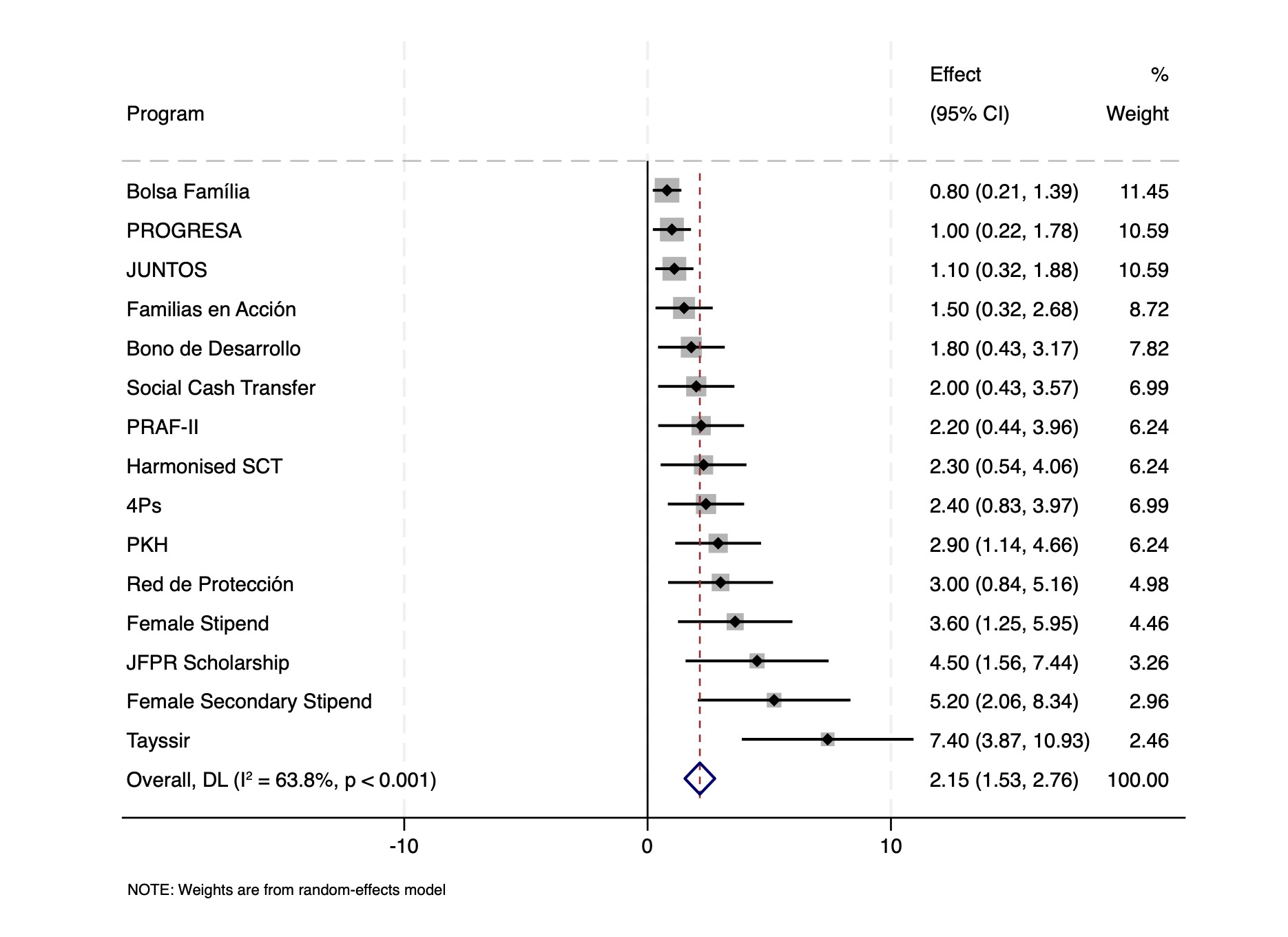
Figure 1 presents the meta-analysis results for school attendance effects across the cash transfer interventions included in this study.
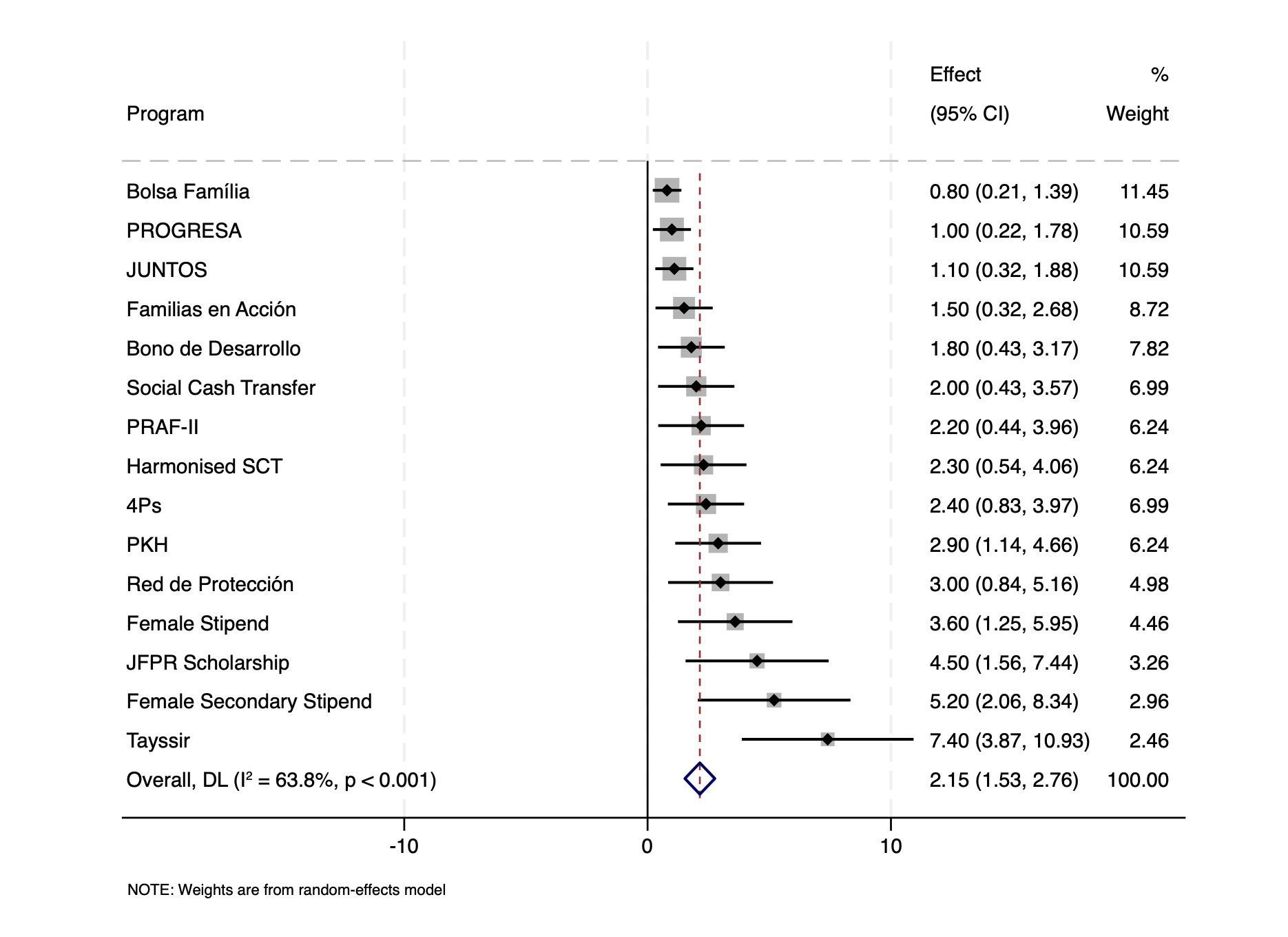
As shown in Figure 1, the meta-analysis of school attendance effects reveals high variation in program impacts across different interventions. The estimate shows an overall effect of 2.15 percentage points (95% CI: 1.53, 2.76) with significant heterogeneity across programs (I² = 63.8%, p < 0.001). This suggests that both program design and underlying structural conditions influence attendance outcomes on the rate of attendance amongst the youth.
Notable patterns can be observed in larger studies such as Brazil’s Bolsa Família, one of the world’s largest CCT programs, showing a modest effect of .80 percentage points, and Mexico’s PROGRESA showing a higher 1.1 percentage points. On the other hand, Morocco’s labeled unconditional program, Tayssir, reported a substantial 7.40 percentage points, serving as evidence that behavioral nudges can, in fact, have substantial effects without requiring strict enforcement and regulation.
This data also identified another pattern, that being that the greatest effect comes from programs in which the country had the lowest initial baseline enrollment. The high heterogeneity (I² = 63.8%) suggests that attendance effects are highly correlated with contexts and not with program features. This heterogeneity likely reflects variation in baseline attendance, school quality, enforcement intensity, and behavioral salience.
Meta-Analysis of School Enrollment Effects
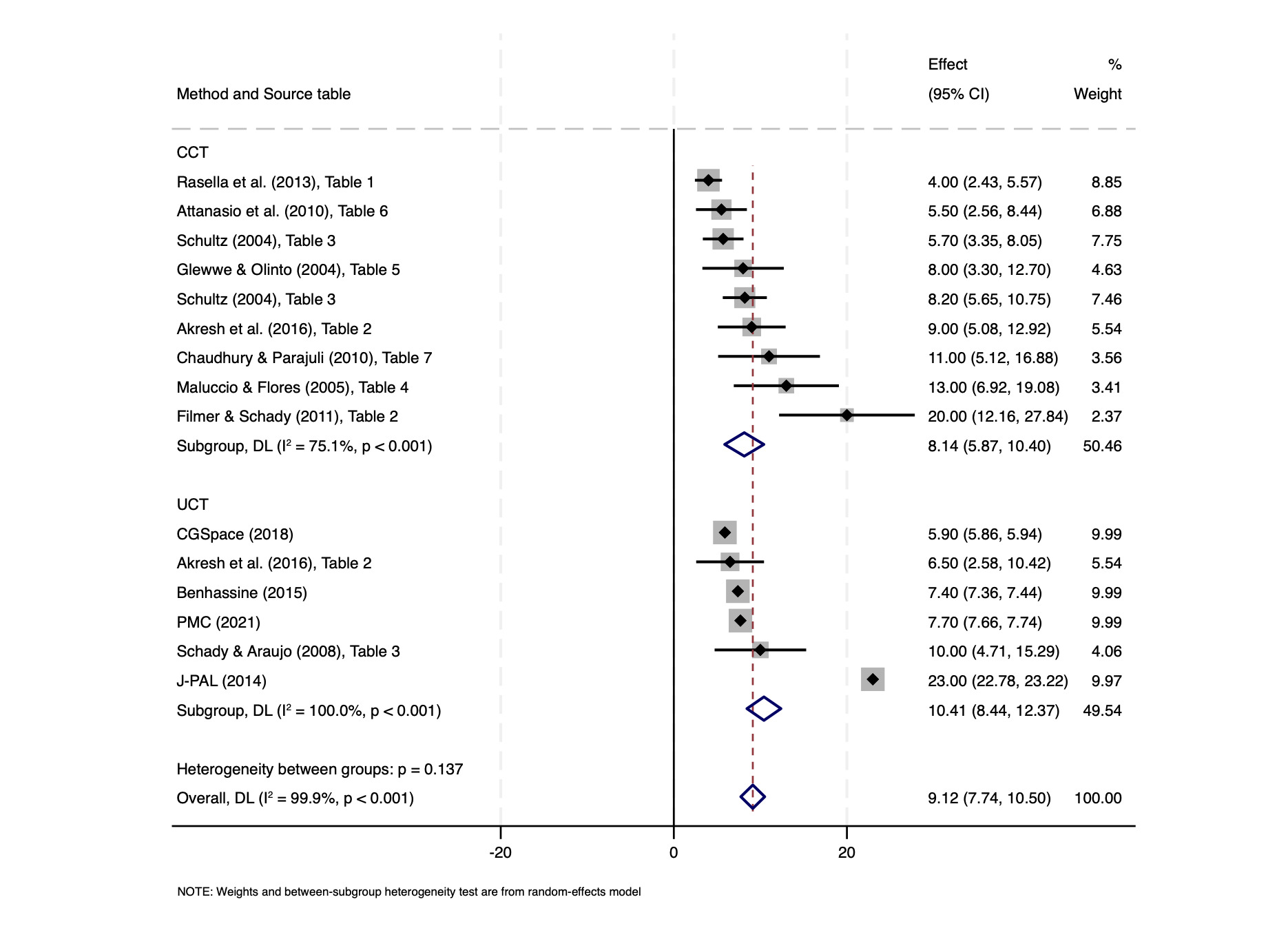
Figure 2 presents the meta-analysis results for school enrollment effects across the various cash transfer interventions included in this study.
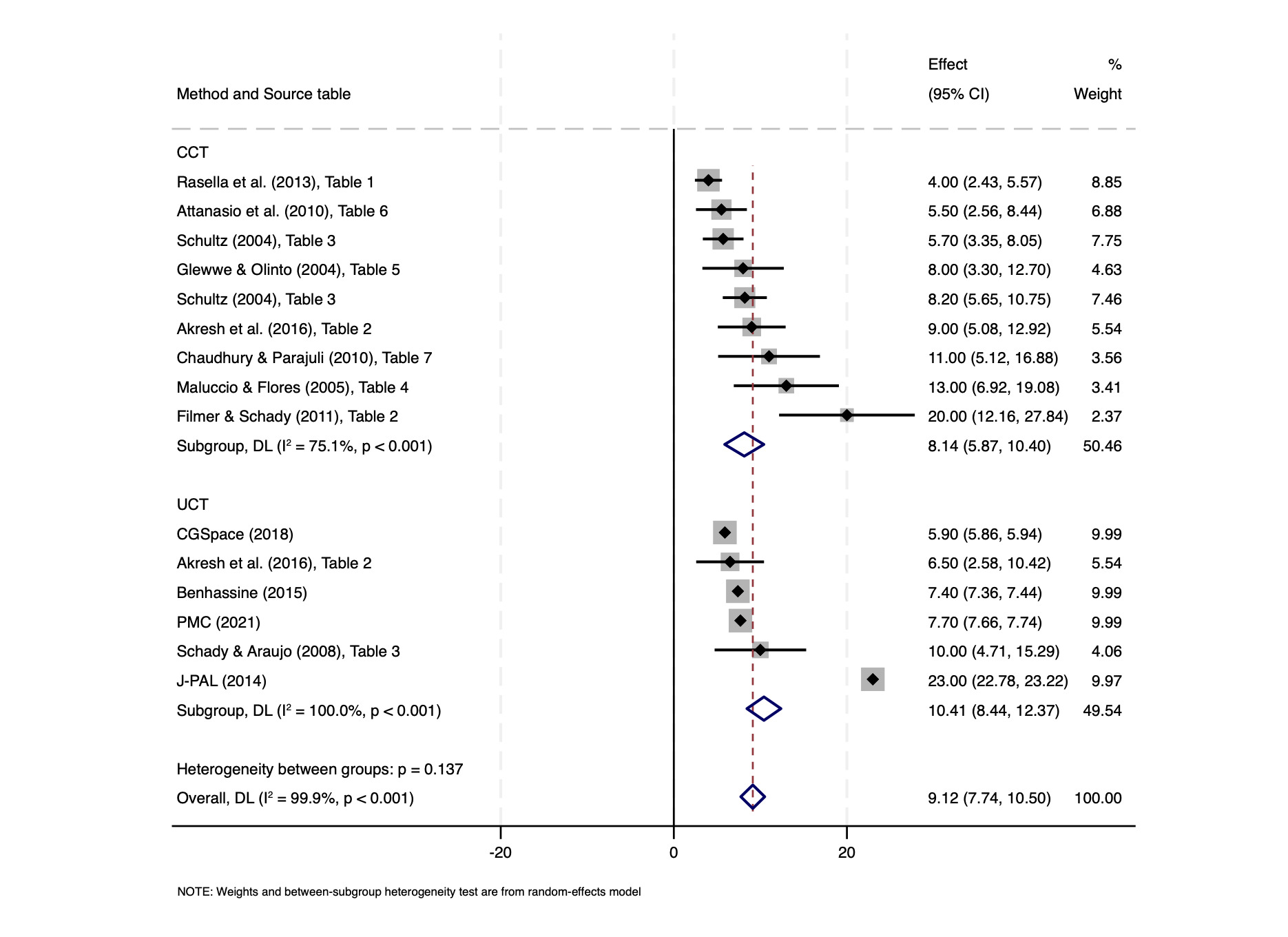
As shown in Figure 2, the overall effect of both UCTs and CCTs is 9.12 percentage points (95% CI: 7.74, 10.50). The programs that achieved the highest enrollment increases all came from countries in which the baseline enrollment rates were already low. A crucial insight from this meta-analysis is that enrollment effects appear to be based strongly on baseline enrollment. Countries with higher initial enrollment exhibited smaller marginal gains. This pattern constrains external validity: effect sizes are partly a function of initial conditions rather than program design alone. A program showing large enrollment effects in a low-enrollment context may show much smaller effects if replicated in a higher-enrollment setting, not because the program design is less effective, but because the potential for improvement is more limited. Regardless of the conditionality, the program that has the lowest initial school enrollment rates will have the highest effect after program implementation. The finding that unconditional programs can outperform conditional programs challenges the traditional ideology that strict monitoring is required to have significant behavior change.
Taken together, these results suggest that cash transfers, regardless of design, create meaningful and significant gains in school enrollment, but the magnitude of the gains depends mainly on the baseline enrollment contexts in which the program was implemented.
Looking at Figure 2 as a whole, the analysis directly compares the average effects of CCTs and UCTs. This choice was made because both program types operate without formal conditionality. The CCT subgroup shows a pooled effect of 8.14 percentage points (95% CI: 5.87, 10.40) with high heterogeneity (I² = 75.1%, p < 0.001), while the UCT group shows an effect of 10.41 percentage points (95% CI: 8.44, 12.37) with even greater heterogeneity (I² = 100.0%, p < 0.001).
Notably, the test for differences between subgroups results in p = 0.137, indicating that the average effects of CCTs and UCTs on enrollment are not statistically different in this sample. This does not necessarily mean that conditionality in this context is ineffective or unnecessary; in fact, many factors can explain this occurrence. Many UCT programs in this study use nudge implementations, which may have similar behavioral effects without strict monitoring/enforcement. Also, the UCT programs operate in countries that have very low baselines, and that makes large gains possible regardless of the program type.
The lack of a significant difference between CCT and UCT average effects, combined with the large within-group heterogeneity, points to a crucial conclusion: the conditional-versus-unconditional distinction is not the primary determinant of program effectiveness. Rather, baseline enrollment rates, the quantity and strength of nudges, the quality of schools, and household beliefs matter more than conditionality in terms of school enrollment (Baird et al., 2014; García & Saavedra, 2017). This suggests that policymakers should focus less on the conditional/unconditional dichotomy and more on ensuring effective implementation of whichever design is feasible given local administrative capacity and infrastructure (de Janvry & Sadoulet, 2006).
Meta-Analysis of Consumption Effects
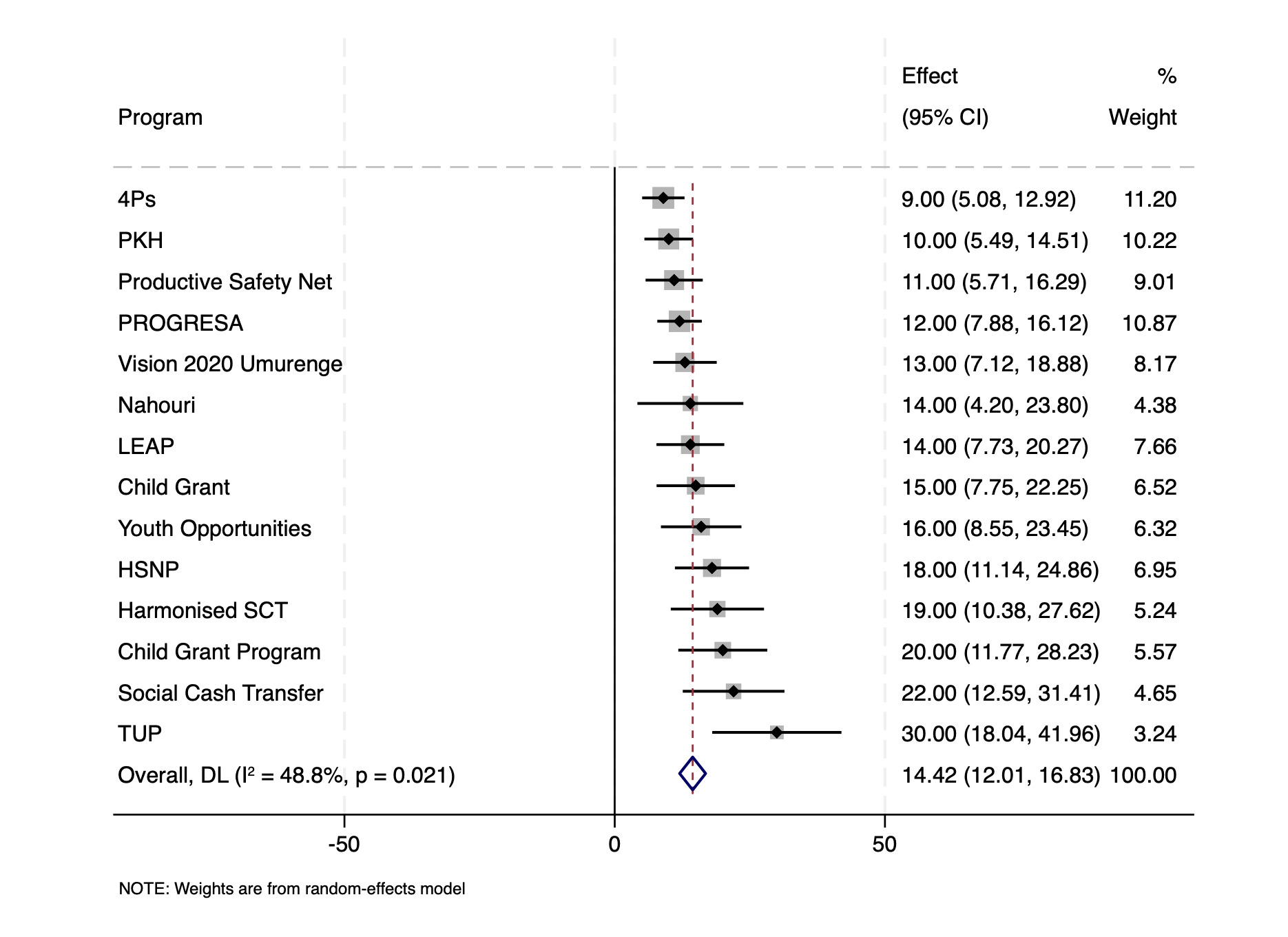
Figure 3 presents the meta-analysis results for consumption effects across the cash transfer interventions included in this study.
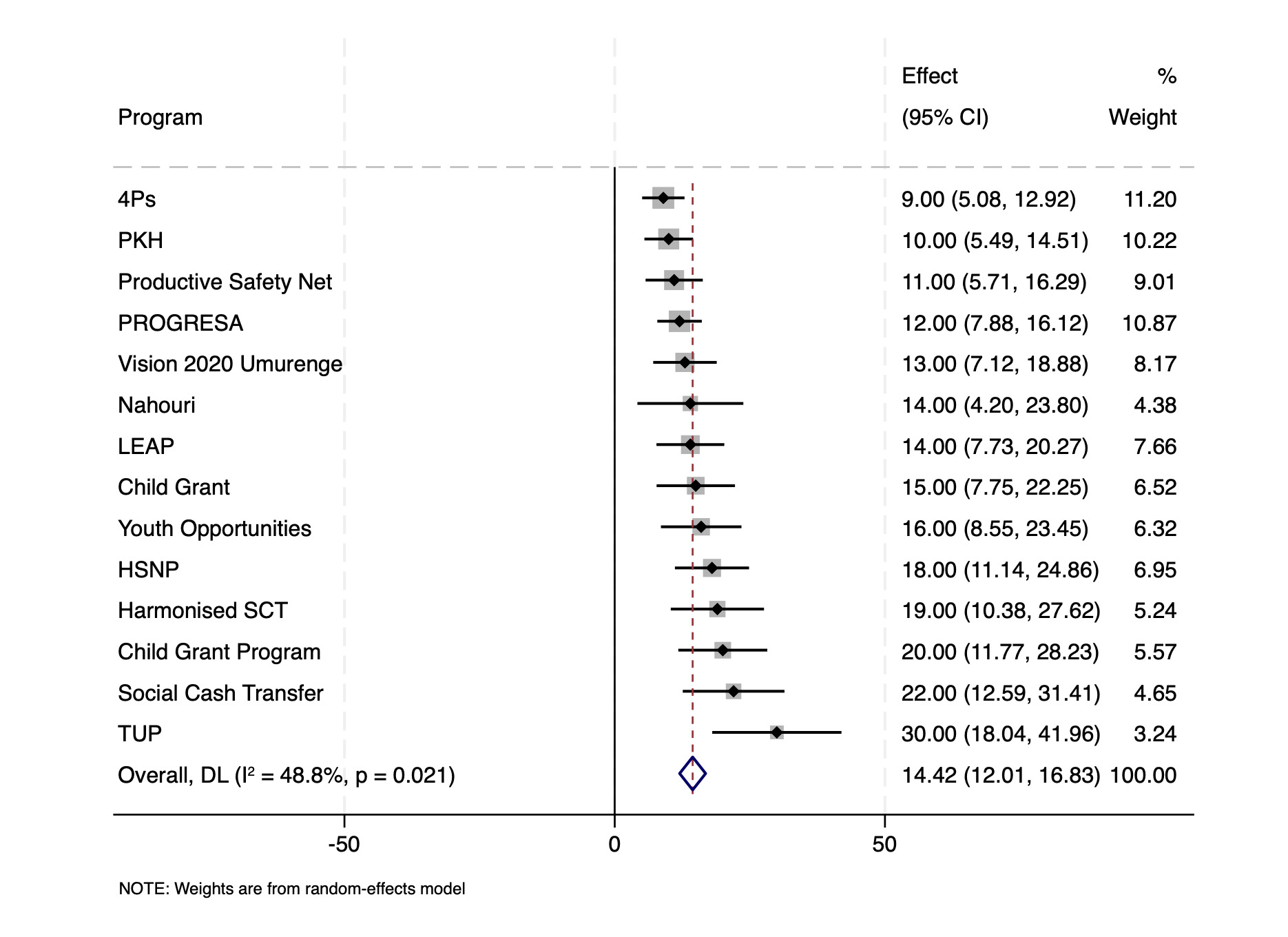
As shown in Figure 3, the consumption meta-analysis explores how cash transfers affect household spending and poverty reduction, including per capita household expenditure, food consumption, and non-food spending. The pooled effect is 14.42 percentage points (95% CI: 12.01, 16.83) with moderate heterogeneity (I² = 48.8%, p = 0.021). The meta-analysis shows that all transfers, regardless of conditionality, increase household resources and, as a result, increase consumption. At the lower end of the study programs, such as the Pantawid Pamilyang Pilipino Program, Program Keluarga Harapan, and Productive Safety Net, show small consumption effects. These programs are all implemented in middle-income countries, as measured in terms of GDP per capita, and with relatively strong fiscal capacity (World Bank, 2024). However, on the other hand of the study, a notable variation can be observed by the Social Cash Transfer program, Child Grant program, and Tunisia’s Targeting the Ultra Poor program, which show large effects on low-income contexts where the initial rates of consumption were already very low. Mexico’s PROGRESA program shows a moderate effect, serving as a benchmark since it is one of the most studied CCT programs. The moderate heterogeneity (I² = 48.8%) is lower than for attendance outcomes, suggesting that consumption effects are somewhat more predictable across contexts. The finding that both conditional and unconditional programs show substantial consumption effects supports the view that conditionality’s main value lies in changing behavior rather than in affecting material welfare directly.
Discussion
A key pattern is that consumption effects are relatively similar across different contexts. Transfers, regardless of the conditionality, have been shown to increase average household expenditure, supporting the idea that a direct income effect is transferable. This is because cash increases can be directly correlated with household spending regardless of context (Haushofer & Shapiro, 2016), while school attendance relies on additional factors such as school quality, distance, and household perception of education. On the other hand, educational outcomes were shown to be more dependent on context, with conditionality being more effective when matched with high fiscal capacity and administrative infrastructure (de Janvry & Sadoulet, 2006; Schultz, 2004). UCTs had better effects, where monitoring cannot be strictly enforced, UCTs and LCTs can still provide high results through behavioral economic nudges such as salience and the framing effect (Benhassine et al., 2015).
With this in mind, the findings counter the argument that the program type is the main determinant of program effectiveness. The lack of a statistically significant difference in results from CCTs and UCTs shows that policymakers should focus more on the context of their country and whether the program design features match their country’s circumstances. In other words, countries with high fiscal capacity may benefit more from applying programs with high conditionality, whereas countries with low infrastructure and investment may benefit more from applying UCTs or LCTs with behavioral economic implementations (Baird et al., 2014; García & Saavedra, 2017).
Conclusion
This study set out to explore which characteristics of welfare programs can be transferred between countries and which require specific conditions to function optimally because they rely on contexts such as fiscal capacity and high spending. Using a random-effects meta-analysis of 15 rigorous international empirical studies evaluating cash transfer programs, the findings suggest that cash transfer programs generate positive impacts on average towards school enrollment and consumption. However, the results also show high heterogeneity across studies, meaning that the same program design can produce very different outcomes depending on where it is implemented. In general, the study suggests that baseline enrollment mattered just as much as the conditionality of the program.
Overall, this study effectively examined conditional and unconditional programs and successfully determined which characteristics work better for specific contexts. Beyond the technical question of program design, these findings carry significant implications for global justice and human rights. Education is recognized as a fundamental human right under Article 26 of the Universal Declaration of Human Rights, yet millions of children remain excluded from schooling due to poverty and household constraints. Cash transfer programs, when carefully designed for local contexts, represent one of the most scalable tools available to governments seeking to fulfill this right and reduce intergenerational poverty. The evidence presented here suggests that achieving equitable access to education globally requires moving beyond rigid prescriptions of conditionality and instead empowering low-income countries to adopt program designs that match their administrative capacity and the realities households face. In contexts where strict monitoring is infeasible, labeled and unconditional transfers offer a path toward fulfilling educational rights without imposing administrative burdens that wealthier states can more easily bear. Recognizing this flexibility is itself a matter of global justice, as it ensures that the benefits of welfare innovation are not confined to high-capacity states.
However, a few limitations can be identified when looking at the study as a whole. For instance, the study includes only 15 empirical studies, and the high heterogeneity suggests unobserved differences in implementation quality across the programs evaluated. Future research should expand on the number of studies included and standardize how design features are measured. Even with this in mind, the main idea of the study remains clear and supportable. Cash transfers are effective on average, but designing them efficiently requires focusing on context rather than assuming that one program model will work equally well everywhere. Ultimately, the goal of welfare policy should not be limited to maximizing measurable outcomes, but should also extend to advancing the broader human right to education and the global justice imperative of ensuring that no child is denied schooling because of where they were born.